

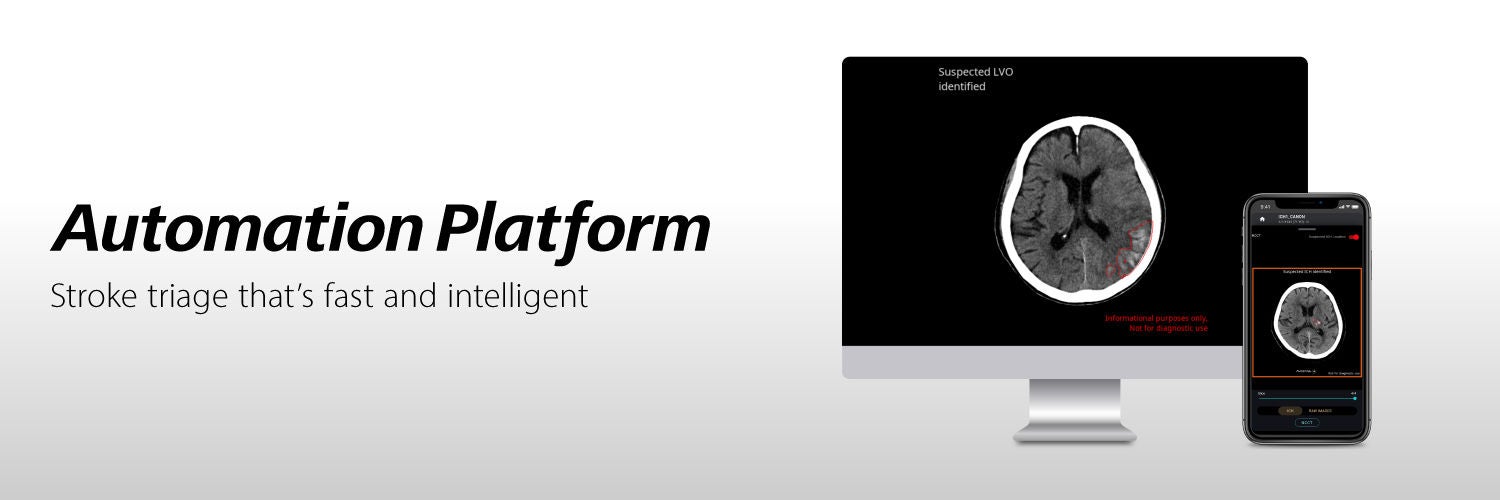
Make the right treatment plan for your patients
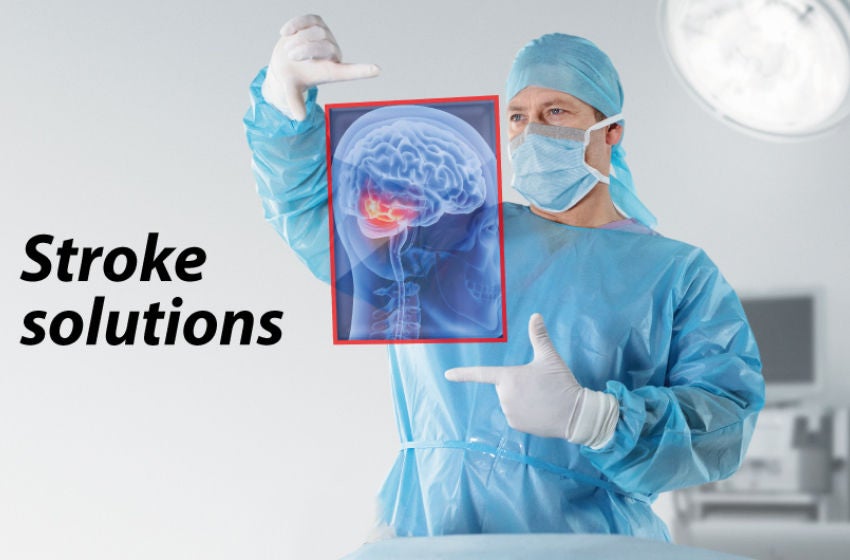
When it comes to the diagnosis and treatment of stroke, "time is brain". The faster the clinician can detect areas of disrupted blood flow, and determine the optimal treatment pathway, the better the patients' chances are for survival, recovery, and ultimately, retaining their quality of life.
By harnessing the power of our leading-edge AI technologies, stroke applications help you swiftly analyze and categorize brain images, so you can detect the signs of ischemic and hemorrhagic stroke in minutes.
Now, with just one solution, you’ll have uncompromised access to information you need to provide the life-saving treatment your patients require.
Streamlined workflow with Automation Platform
Harness the power of Artificial Intelligence to improve patient care
Automation Platform streamlines workflows by automatically post-processing images directly from the scanner or exported indirectly from a PACS/VNA. Results are then automatically exported in a format that is ready for interpretation by the care team.
These are immediately sent out to the relevant care team, helping physicians make the right choice at the right time for their patients.
Insights Results, including images, are also simultaneously routed to PACS for clinical diagnostic review and sent as a notification to the care team, alerting them that a case is pending review.
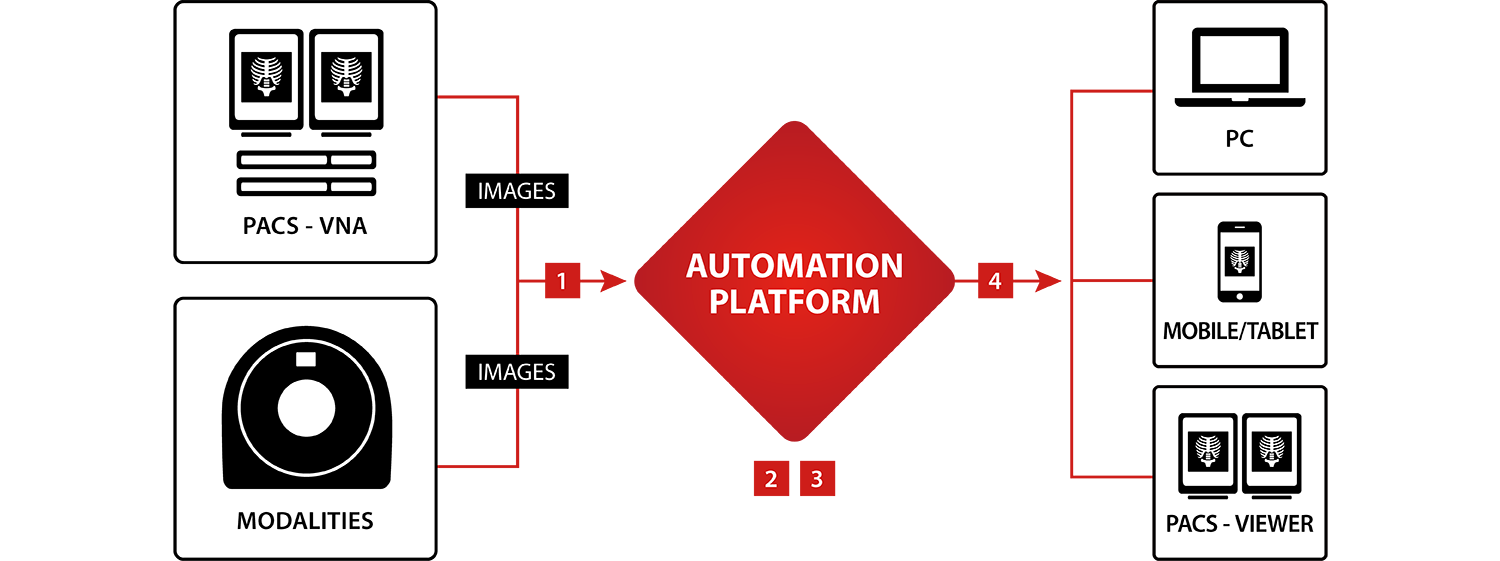
1 Collect clinically relevant patient data from multiple modalities, PACS and repositories with zero-click.
2 Categorize parse incoming DICOM data and send to the relevant AI/non-AI clinical algorithms.
3 Analyze* automatically with validated, accurate clinical solutions.
4 Deliver actionable summary results plus alerts to potentially urgent conditions.
- Automation Platform can utilize both AI and non-AI solutions
Stroke Applications
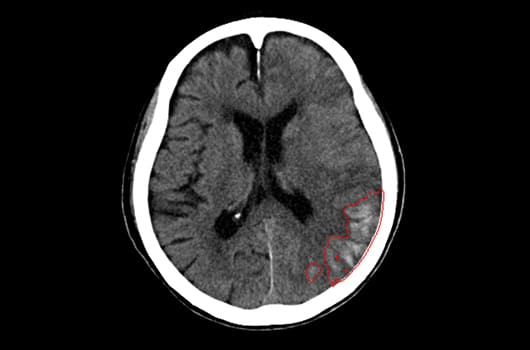
- Regulatory: MDR, FDA
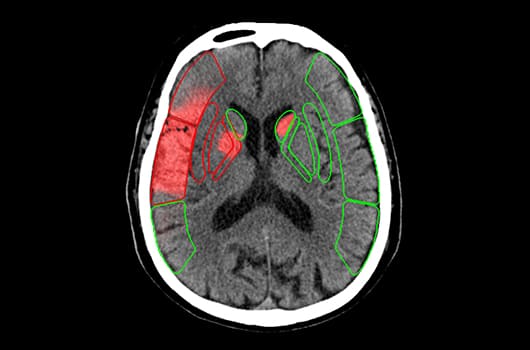
- Regulatory: CE, FDA
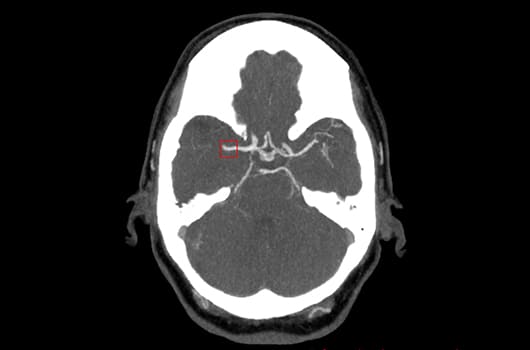
- Regulatory: CE, FDA
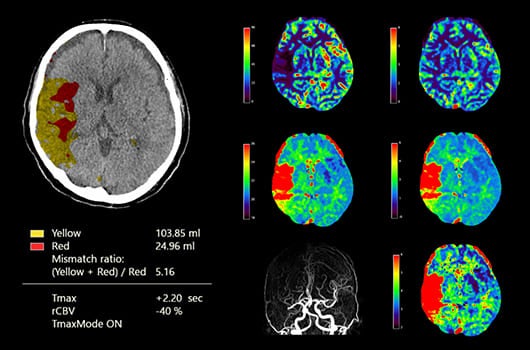
- Regulatory: CE, FDA
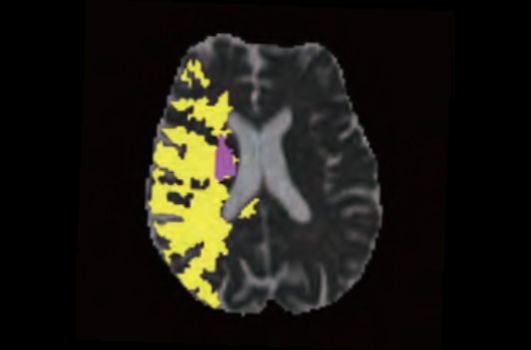
- Regulatory: MDR, FDA
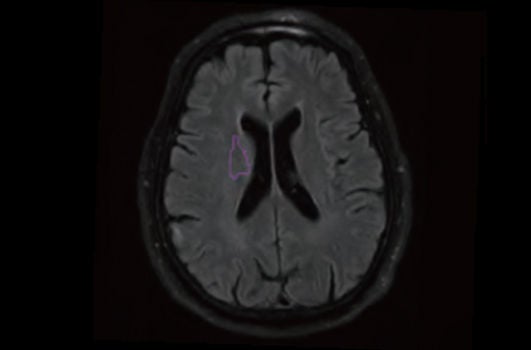
- Regulatory: MDR, FDA
- : CINA ICH, CINA ASPECTS and CINA LVO are manufactured by Avicenna.AI. CINA® is a registered trademark of Avicenna. AI in Europe and in the United States of America.
- : Boundary boxes are not displayed in the US version.
- : Not available in all regions.
- : Rava RA, Peterson BA, Seymour SE, et al. Validation of an artificial intelligence-driven large vessel occlusion detection algorithm for acute ischemic stroke patients. Neuroradiol J. 2021;34(5):408-417. doi:10.1177/1971400921998952
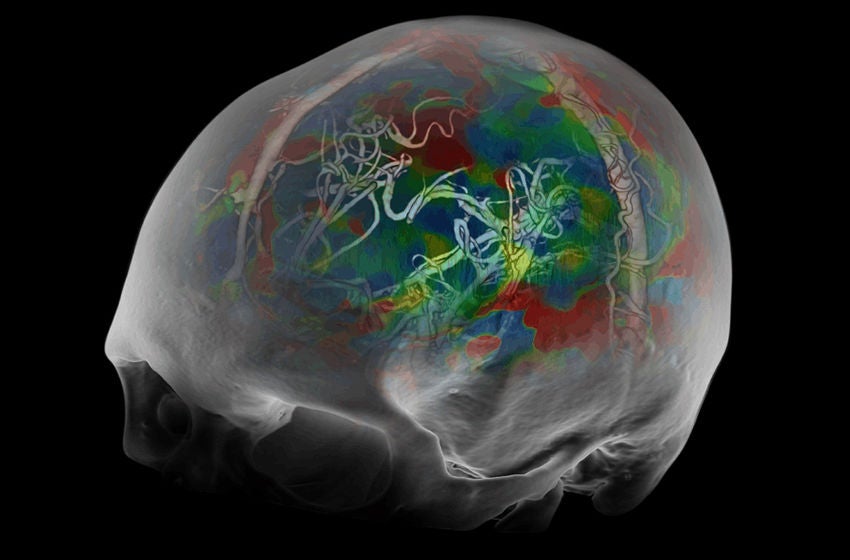
- : The image concerns CT Brain Perfusion from Canon Medical Informatics.
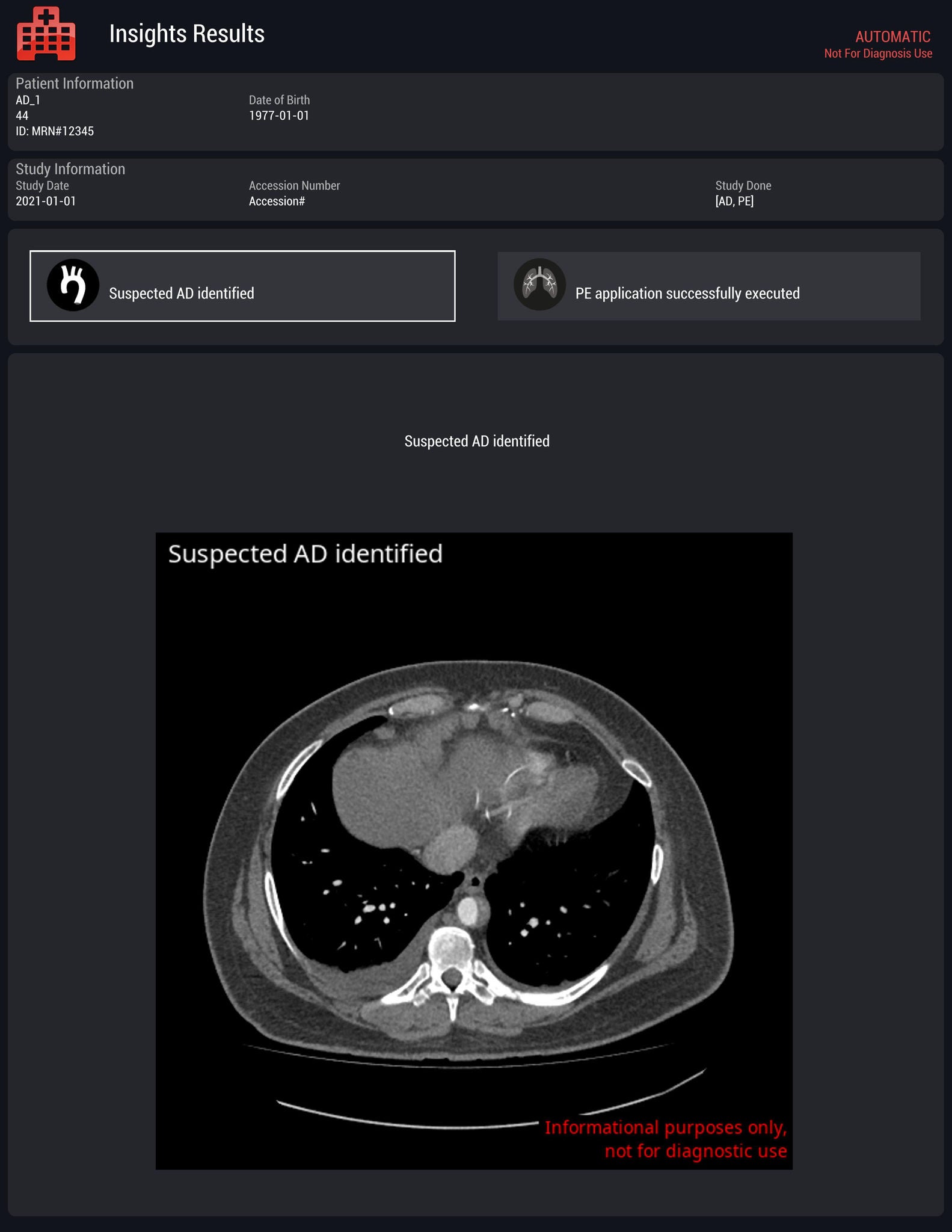
Insights Results for Stroke CT / MR
Easy information sharing across the care team
Insights Results is an automatic result module hosted by Automation Platform. It collects and displays all the results for one study, generated by all the individual post-processing applications. It enables sharing of qualitative and quantitative DICOM-compliant reports with relevant care teams.
- Concise summary of analysis results
- Can be viewed on PCs and smartphones in PDF format
- Highlights alerts from applications
- Informational purpose only, not for diagnostic use.
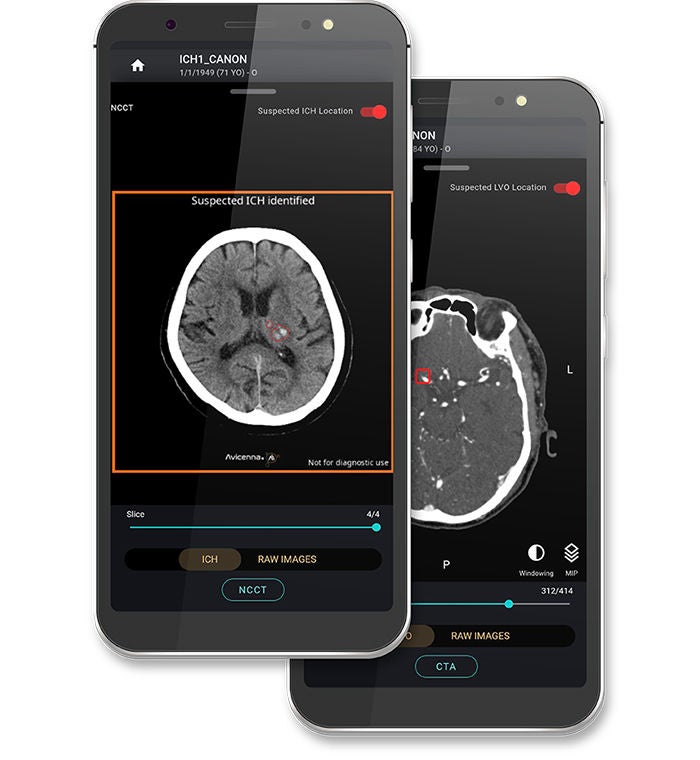
Mobile App for Stroke CT/MR
Engage Teams Anywhere, Anytime
The Mobile App* provides automated real-time alerts and notification in an easy to use application. Cases can be easily viewed from any location.
- Quickly receive information.
- Interactively view images and results from anywhere.
- One mobile application supports multiple AI applications.
- Simple, easy to use interface.
- Not for diagnostic use. The current version can be used by up to 3 users at the same time.. No PHI is transmitted. Secure connection is the responsibility of the end user’s organization


Explore Our Automation Platform
Learn more about Canon’s Stroke solutions
Seeking more information? We can help.

Social Media


