

Prostate cancer on the rise: A global challenge
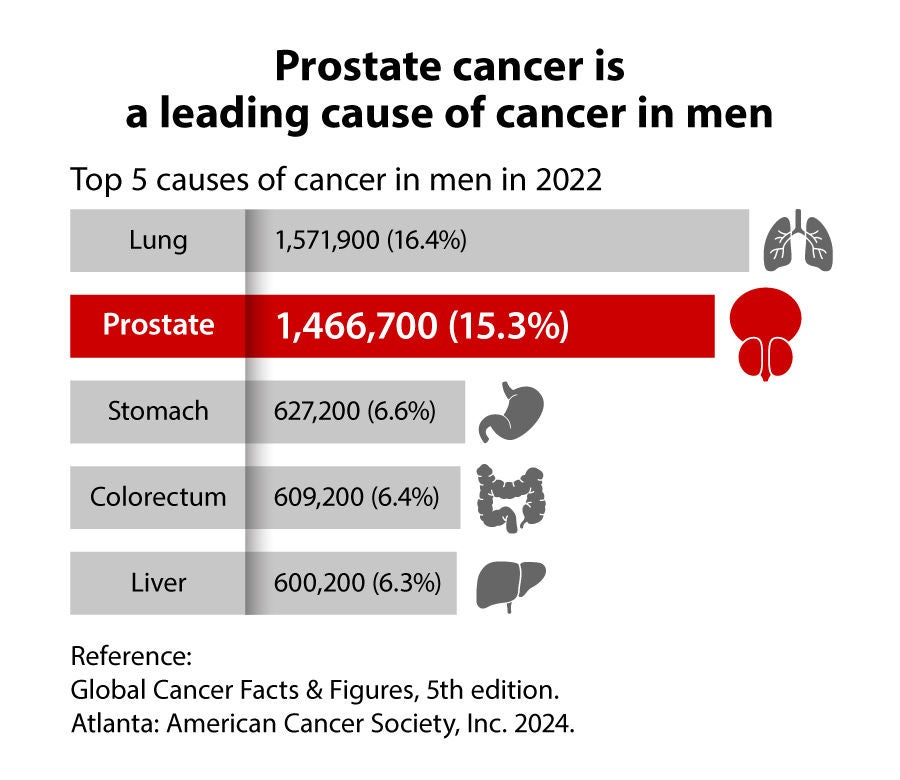
Prostate cancer is the most common cancer in men in nearly two-thirds of the world. It ranks second globally, behind lung cancer, and is the fifth leading cause of cancer-related deaths, following stomach, liver, colorectal, and lung cancers. Worldwide, the number of prostate cancer cases are projected to double to 2.9 million new cases annually by 2040.
Shifting from advanced to early diagnosis of prostate cancer is crucial in ensuring timely and effective treatment, ultimately improving survival and quality of life. However, with this rising number of men presenting with suspected prostate cancer, efficient and accurate management strategies are vital to avoid unnecessary procedures while ensuring clinically significant cancers are detected and treated appropriately.
Current Challenges
| Challenge 1: Balancing early detection with the risk of overdiagnosis As compared to late detection, early detection of prostate cancer has the potential to save lives and allow for less aggressive treatments. However, many detected cancers are low-risk and may never progress, leading to unnecessary biopsies and overtreatment. |
Challenge 2: Optimizing precision for targeted diagnosis and treatment
This leads to:
|
Challenge 3: Reducing patient discomfort and biopsy burden
This is especially problematic with conventional TRUS-guided methods, which require numerous samples. |
Challenge 4: Managing provider workload
With rising caseloads, the increased demand for early detection risks overwhelming healthcare providers. |
Confident and fast clinical decision making across the patient pathway
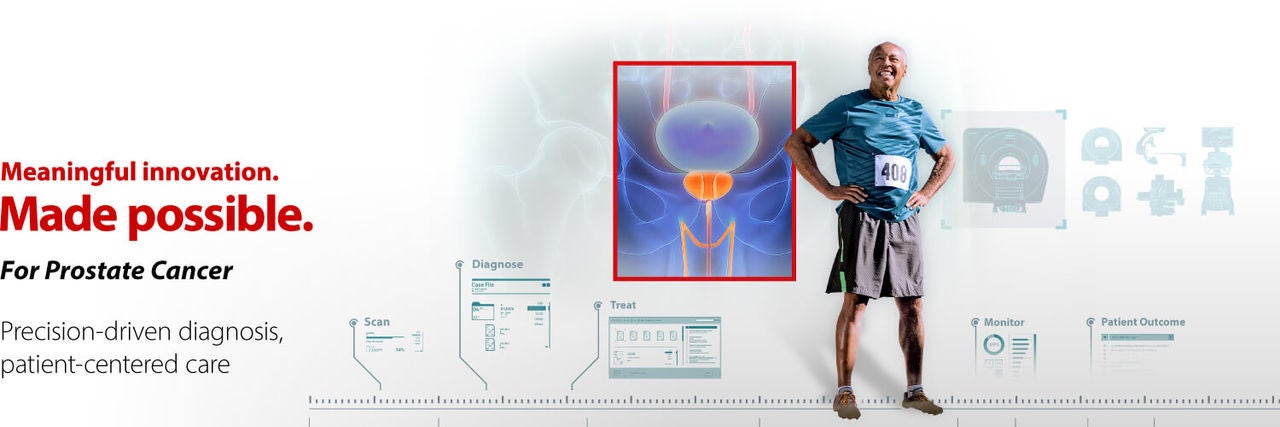
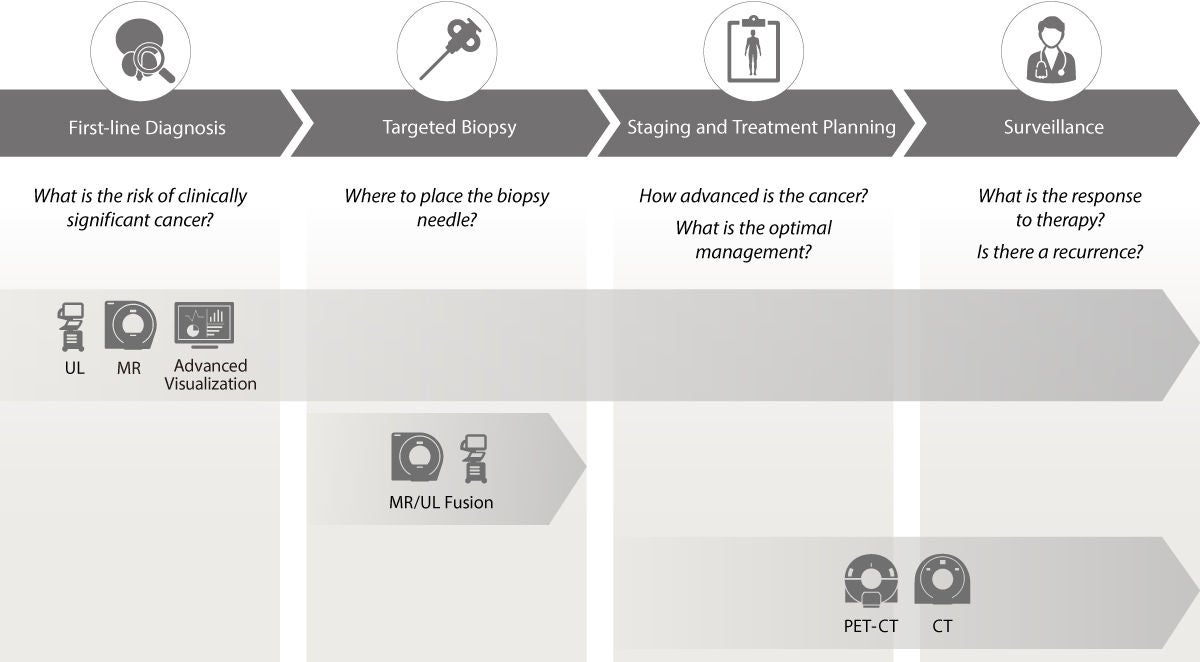
Canon Medical works to partner with you in the fight against prostate cancer and offers a unique set of prostate cancer solutions. Our integrated multi-modality solutions are designed with flexibility, prioritizing patient safety and comfort. These solutions empower you to deliver high-quality, cost-effective prostate imaging services, advancing precision care while enhancing the patient experience and outcomes.
MRI/HIT Solutions
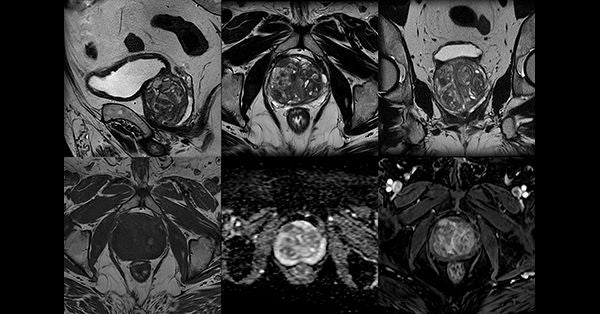
AI-enabled high-quality imaging for lesion detection and characterization
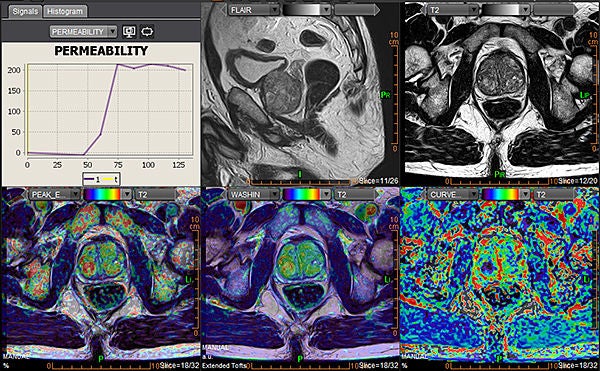
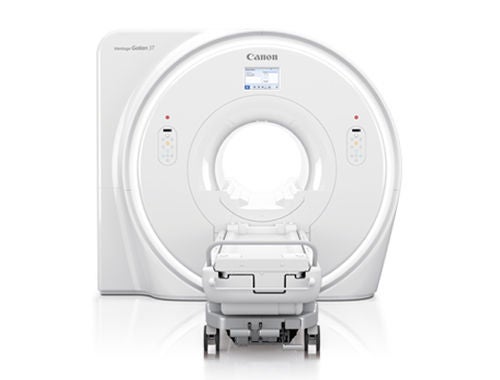
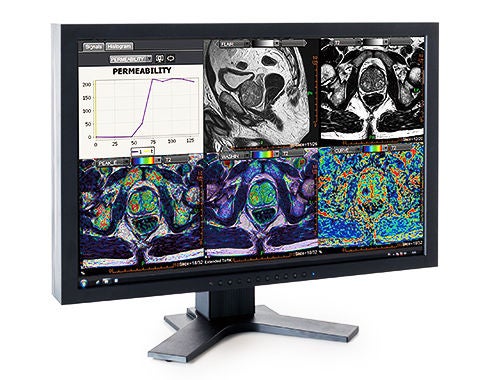
Our MR solution has integrated AI to enable fast and consistent high-quality imaging when used operators with limited experience. In addition, MRI processing with Vitrea Advanced Visualization offers an in-depth analysis and structured reporting based on PI-RADS V2 requirements.
Ultrasound Solutions
Smart Fusion Imaging in UL/MR to guide targeted biopsy, improving accuracy, comfort and safety
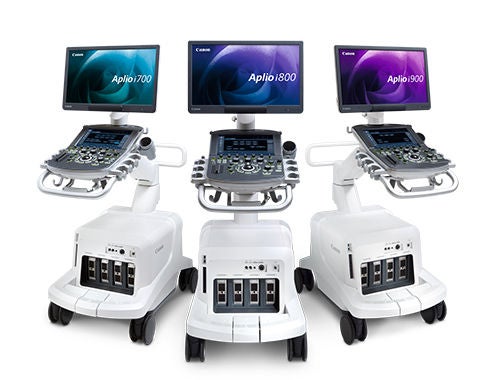
Our innovations support the growing shift toward targeted biopsy techniques. Canon's Smart Fusion Imaging technology provides automatic co-registration of MRI with ultrasound at the point of care. It also facilitates user-friendly navigation and documentation of the procedure. Both transrectal and transperineal approaches are facilitated, in line with recent recommendations towards greater accuracy, reduced complications, and lower infection risk.
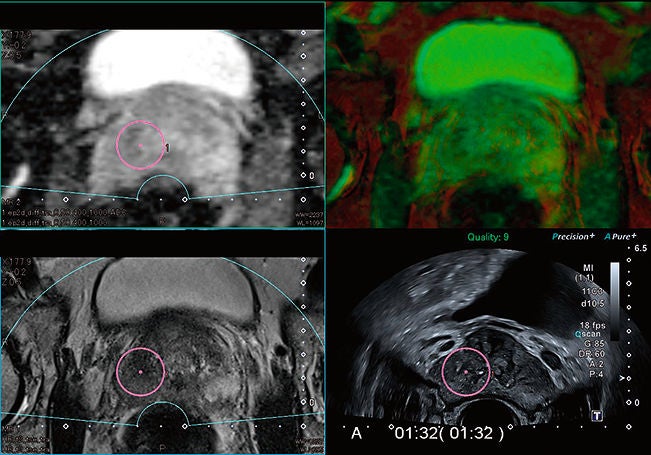
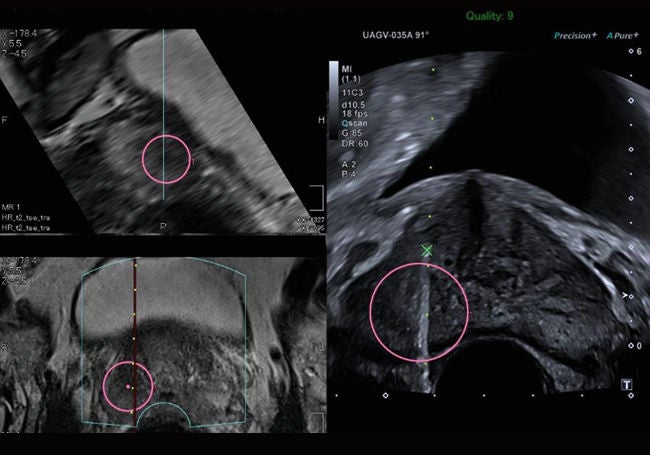
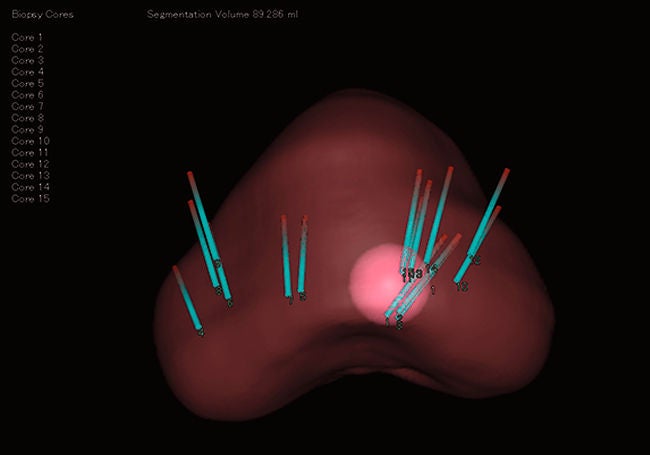
- Fully integrated Smart Fusion Imaging package with automatic co-registration of MR data
- Fast and accurate biopsy with 3D biopsy core mapping of the prostate
- High image quality and automated prostate segmentation for precise navigation
*Smart Fusion Imaging was formerly Smart Fusion.
PET-CT Solutions
Fast whole-body imaging with high image quality for staging and assessment of metastases as well as detailed treatment planning and surveillance
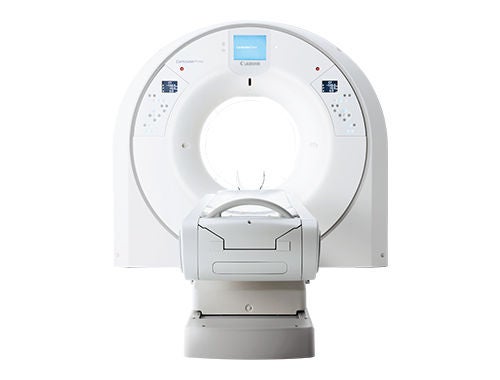
From detailed assessment to enabling theranostics, PET-CT, including the use of PSMA tracers, is paving the way in prostate cancer for more personalized and precise treatment approaches. Our Cartesion Prime PET-CT, an air-cooled Premium Digital PET scanner, is founded on advanced technologies designed to meet the increasing demands on image quality, quantification, and clinical workflow and support the growing utilization of PET imaging. Also, the system supports fast scanning, allowing imaging of patients who may have difficulty lying still.
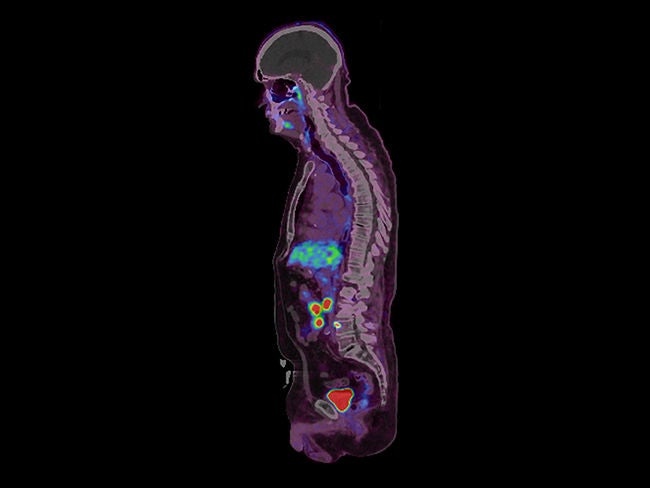
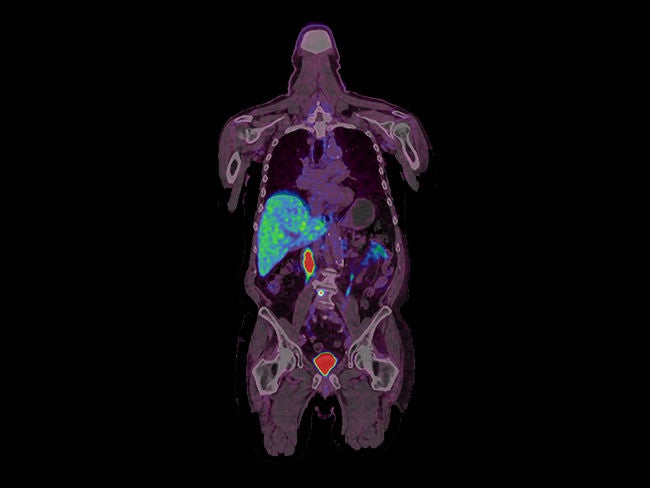
- 27 cm detector for optimized performance in prostate cancer imaging
- Accurate assessment of metastasis or recurrence in prostate cancer with PSMA-target PET tracers
Hear from our users
Stay at the forefront of prostate insights from Canon Medical and top experts
Discover more on our clinical evidence page to gain clinical practice insights from the experts worldwide. You can find:
- Expert-led webinars
- In-depth white papers & case studies
- Scientific evidence
Learn more about our solutions
References
- Bray F, Laversanne M, Sung H, et al. Global cancer statistics 2022: GLOBOCAN estimates of incidence and mortality worldwide for 36 cancers in 185 countries. CA Cancer J Clin. 2024;74(3):229-263.
- Cancer in Men: Prostate Cancer is #1 for 118 Countries Globally | American Cancer Society. Available from: https://www.cancer.org/research/acs-research-news/prostate-cancer-is-number-1-for-118-countriesworldwide. html#:~:text=Prostate%20cancer%20is%20the%20most,America%20and%20sub%2DSaharan%20Africa Accessed on 3rd Jan 2025.
- Cornford P, van den Bergh RCN, Briers E, et al. EAU-EANM-ESTRO-ESUR-ISUP-SIOG Guidelines on Prostate Cancer-2024 Update. Part I: Screening, Diagnosis, and Local Treatment with Curative Intent. Eur Urol. 2024;86:148-163.
- EAU Guidelines. Edn. presented at the EAU Annual Congress Madrid 2025. ISBN 978-94-92671-29-5.https://uroweb.org/guidelines/prostate-cancer
- Fendler WP, Eiber M, Beheshti M et al. PSMA PET/CT: joint EANM procedure guideline/SNMMI procedure standard for prostate cancer imaging 2.0. Eur J Nucl Med Mol Imaging 2023;50:1466-1486.
- James ND, Tannock I, N'Dow J, et al. The Lancet Commission on prostate cancer: planning for the surge in cases. The Lancet. 2024 Apr 27;403(10437):1683-722
- Schaeffer EM, Srinivas S, Adra N et al. NCCN Guidelines® Insights: Prostate Cancer, Version 3.2024: Featured Updates to the NCCN Guidelines. J Natl Compr Cancer Netw. 2024;22:140-150.
Disclaimer
* For the AI technology described in this website, deep learning technology is used in the design stage. The systems themselves do not have self-learning capabilities.
** Not all products are available in all geographies.
Social Media


