

Leveraging Additional Layers of Intelligence
Research-led advances in healthcare practices sometimes requires the acquisition of new technology. One recent example is the adoption of new guidelines on stroke assessment protocols in the Netherlands following integration of results from the MR CLEAN study1 – a trial of intra-arterial treatment for acute ischemic stroke, and the MR CLEAN-LATE study2. These studies provided new insights in the treatment of ischemic stroke made possible through the use of CT brain perfusion after brain infarctions. This imaging technique was found to give a good indication of brain tissue status before deciding the best options for neuro intervention or thrombolysis.
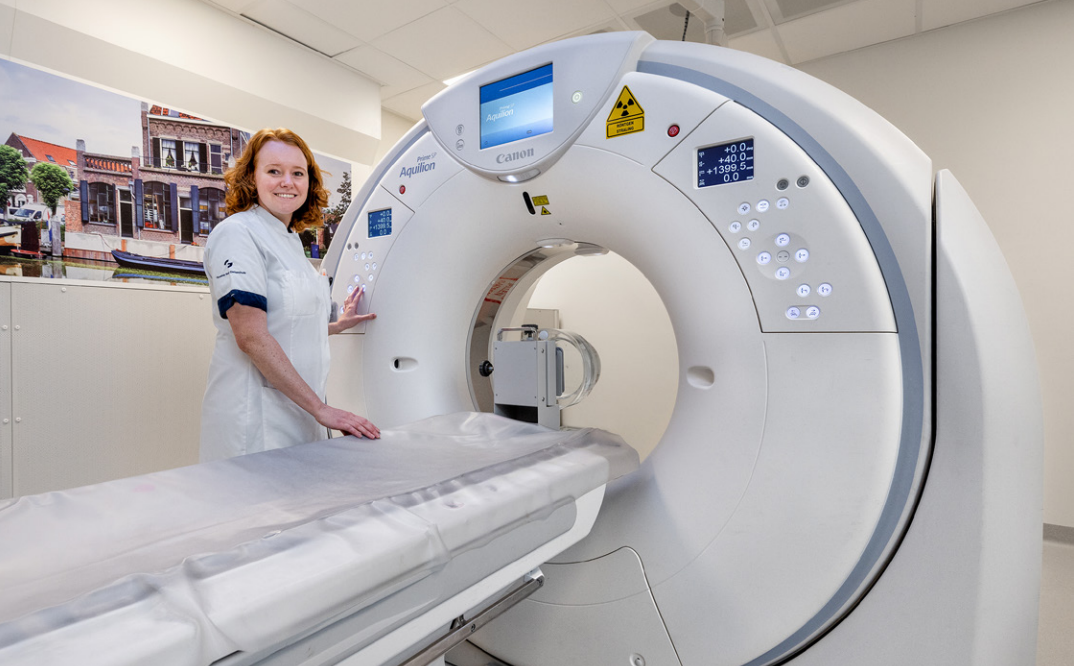
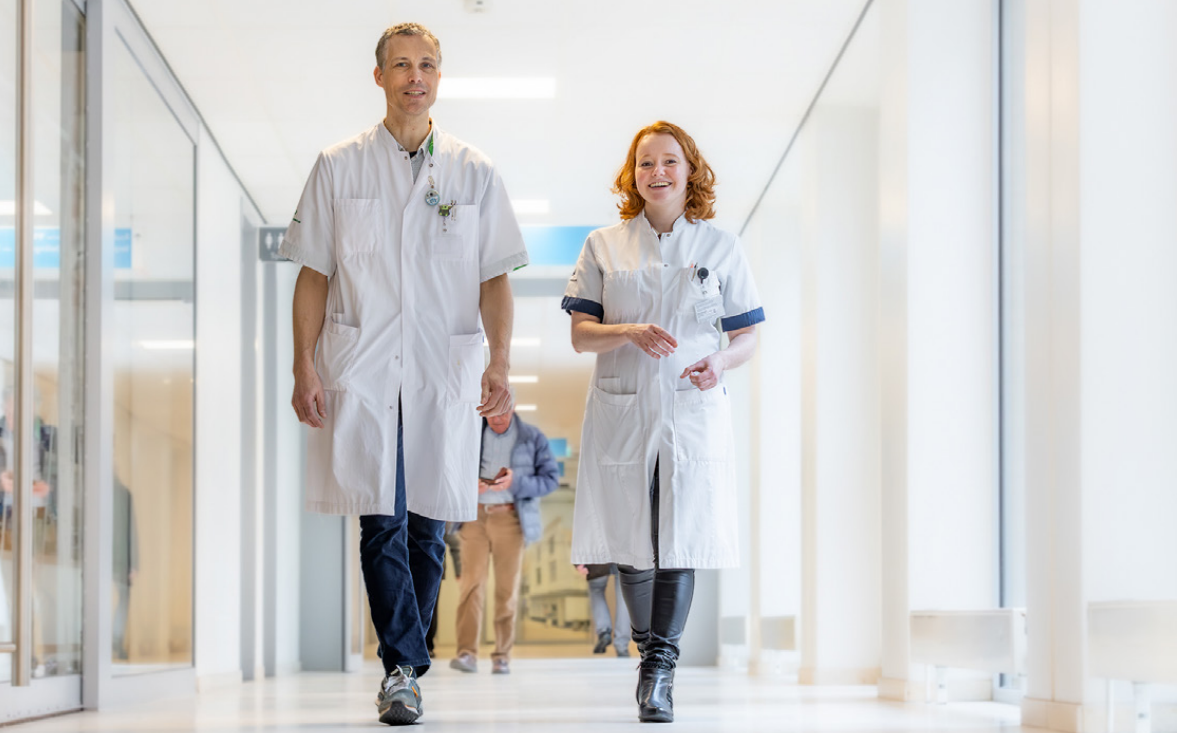
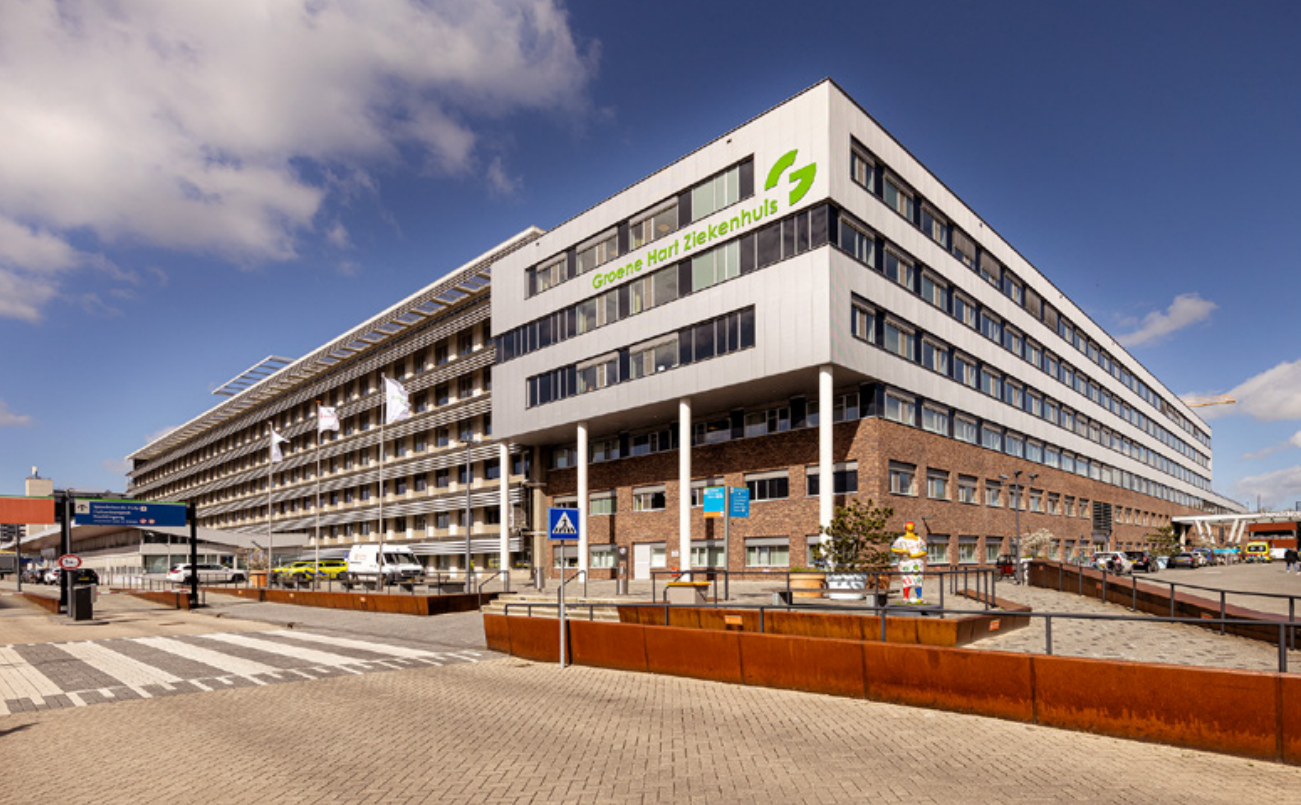
With the introduction of new protocols across the Netherlands in 2021, the Groene Hart Ziekenhuis (GHZ) in Gouda, the Netherlands, was able to fulfill the new guidelines thanks to Canon technology. Stijn Bollen, Radiologist, and Melissa van den Bos, Medical Physicist Expert at the GHZ, explain how the systems and software assist their work.
GHZ is a general hospital that offers state-of-the-art medical care from four different locations, from which Gouda is the main location (Gouda, Bodegraven, Schoonhoven, and Zuidplas) all of which lie within the “Groene Hart” (Green Heart) area of the Netherlands. It has two Canon Aquilion Prime SP CT scanners with Vitrea Advanced Visualization and Automation Platform.
- Automation Platform offers an AI-based zero-click solution, which utilizes deep learning technology. Analyzing clinical images is done by each application on the platform.
“At the end of 2021, we implemented the brain perfusion CT protocol in addition to CT angiography for detecting acute infarctions and calculating the percentage of penumbra and core, to follow the new updated Dutch guidelines,” said Stijn. “With implementation of this new protocol, we also started to use the Automation Platform from Canon to confirm the diagnosis of ischemic stroke and to estimate tissue viability.”
“During the day and night, we scan patients with symptoms of brain infarction, therefore, we make use of Canon Automation Platform,” added Stijn.
New perspectives
GHZ opted for the Automation Platform because it helps their radiologists obtain brain perfusion maps for direct assessment, and enable fast indication of Large Vessel Occlusion (LVO) and detection of Intracranial Hemorrhage (ICH).
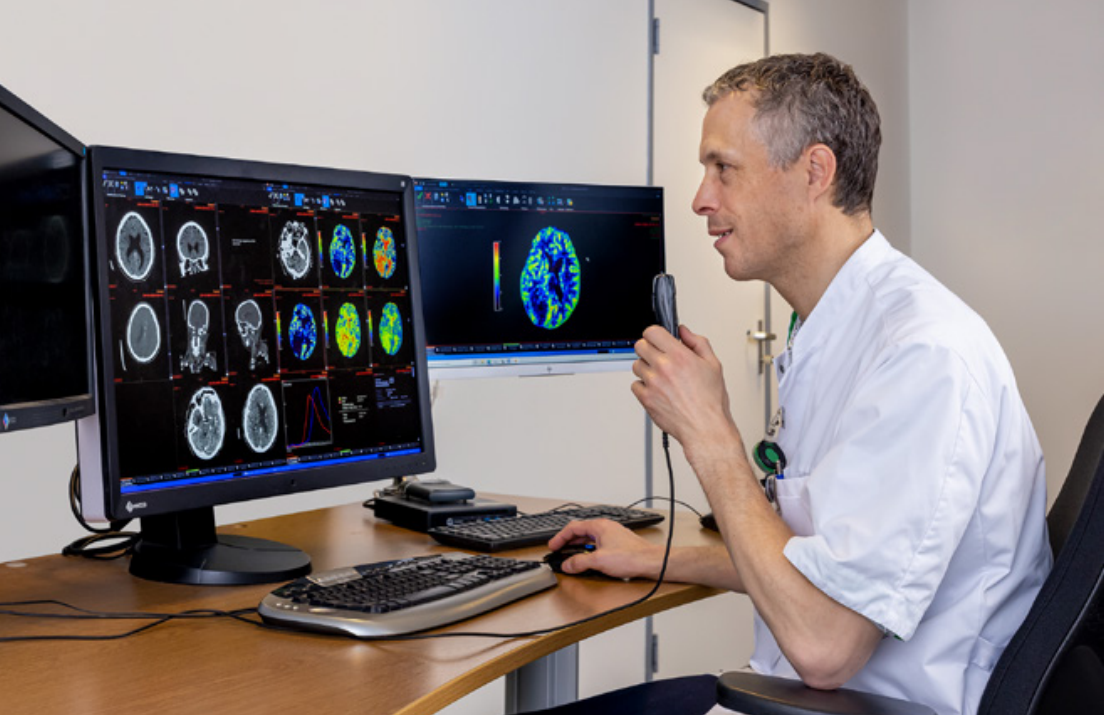
“After performing a CT brain perfusion scan, the CT slices are sent to the Automation Platform for analysis. The analyzed brain perfusion maps, including indication of large vessel occlusion or intracranial hemorrhage, are saved and shown in PACS, consistent with normal workflow for CT imaging,” explained Melissa.

“The greatest impact of the Automation Platform for the team is seen during night-time, due to the quick availability of the images.”
Stijn Bollen, Radiologist, the Groene Hart Ziekenhuis (GHZ), Gouda, the Netherlands.

“Vitrea and Automation Platform are stable and reliable software systems within the hospital.”
Melissa van den Bos, Medical Physicist Expert, the Groene Hart Ziekenhuis (GHZ), Gouda, the Netherlands.
Perfusion maps
Using the systems, the radiologists are able to obtain CT Perfusion (CTP) maps that show CBV (Cerebral Blood Volume), CBF (Cerebral Blood Flow), MTT (Mean Transit Time), and Tmax (Time to maximum).
“The CTP maps gives an indication of whether an endovascular therapy, such as intra-arterial thrombolysis in a later time window would still be useful,” explained Stijn. “The maps are accurate. The workflow improves because there is no need to open the Vitrea Advanced Visualization to obtain the perfusion maps.”
Making new protocols easy
Canon Vitrea Advanced Visualization and Automation Platform systems have not only enabled GHZ to integrate the new Dutch guidelines on assessment of stroke patients into clinical practice, but they provide ease of use that has improved workflow and diagnostic confidence.
Social Media


