

Intelligent Cardiac Imaging Centered on the Patient
Date & Time
October 28th, 2026 7:00~8:15 PM EDT | 4:00~5:15 PM PDT
Webinar Overview
This roundtable brings together leading experts to explore how advances in cardiac MRI, cardiac and coronary CT, and artificial intelligence (AI) are reshaping care for patients with hypertrophic cardiomyopathy (HCM). The panel will examine emerging image-acquisition technologies and AI-based tools help support diagnosis, treatment and risk stratification, along with strategies for partnering with patients to achieve better outcomes. Attendees will learn how intelligent imaging can improve care while keeping the patient at the center.
Learning Objectives
Upon completing this webinar, participants will be able to:
- Describe how imaging professionals and healthcare institutions can support earlier diagnosis of HCM and reduce misdiagnosis, including through partnership with patient advocacy organizations such as the Hypertrophic Cardiomyopathy Association (HCMA).
- Summarize the clinical evidence for cardiac MRI in the support of diagnosis, classification and risk stratification of HCM.
- Summarize the clinical evidence for cardiac CT and coronary CT angiography to help support diagnosis and management of HCM.
- Distinguish between assistive and augmentative AI tools, and describe those currently used for image acquisition in cardiac MRI and CT.
- Describe common patient challenges in cardiac imaging, including scan anxiety, claustrophobia, breath-hold burden, procedural complexity and poor communication of results and how AI based tools can help address them.
- Identify at least three practice changes that can improve patient engagement, scan completion and return for follow-up.
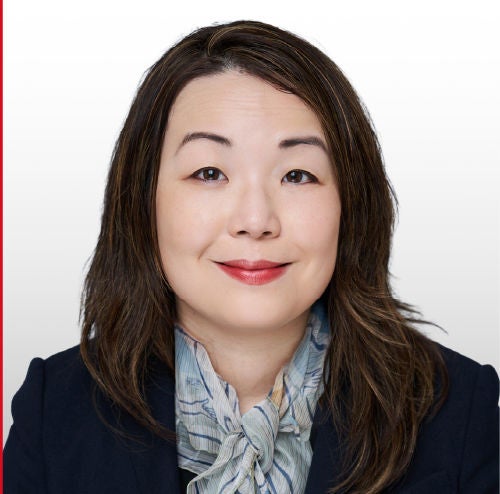
Moderator : Dr. Kanae Mukai, MD, FACC, ABIHM, FSCMR
Cardiologist
Medical Director of Non-Invasive Cardiovascular Imaging
Salinas Valley Memorial Hospital, Salinas, CA, the USA
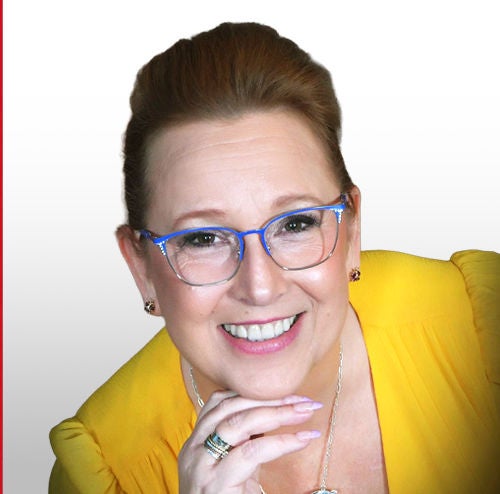
Panelist : Ms. Lisa Salberg
Founder and Chief Executive Officer,
Hypertrophic Cardiomyopathy Association (HCMA),
New Jersey, USA
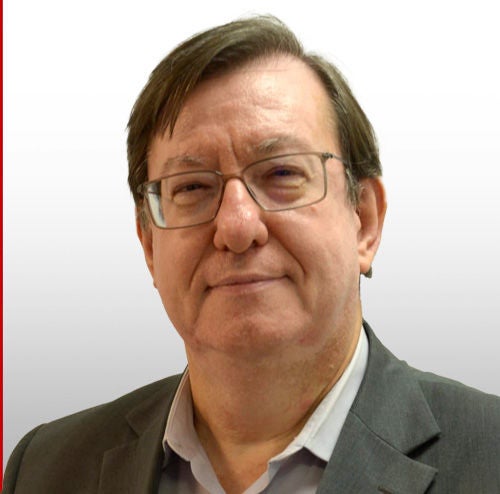
Panelist : Dr. Carlos Eduardo Rochitte, MD, PhD, FSCMR
Cardiologist,
Associate Professor of Cardiology,
Chief Medical Officer (CMO) / Medical Director of Research Center,
Heart Institute (InCor), University of São Paulo Medical School,
Director of Cardiovascular MR and CT,
Heart Hospital (HCOR), Dasa/Alta,
São Paulo, Brazil
The clinical results, performance and views described here are based upon the experience of the presenters. Results may vary due to clinical setting, patient presentation and other factors.
Social Media


