

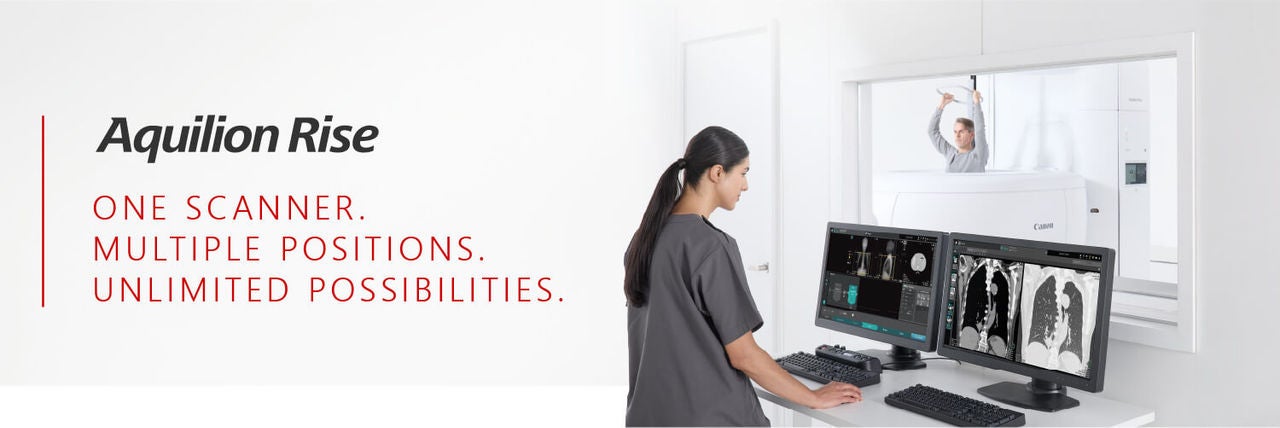
“The Multi-Position CT was envisioned not simply as an innovative imaging technology, but as a system for evaluating and diagnosing functional disorders that cannot be sufficiently characterized through conventional supine imaging alone. By enabling direct comparison of standing, sitting, and supine images, the system was designed to reveal posture- and load-dependent anatomical changes and to detect pathologies that may only become apparent under physiological weight-bearing conditions. This approach reflects a broader shift in healthcare from extending lifespan to maintaining health span in a super-aging society.”
“Improving workflow efficiency was an important objective of the original upright CT concept. The technology was conceived with the long-term vision of replacing conventional radiography, providing richer anatomical and functional information while maintaining the accessibility and efficiency required for routine clinical examinations.
This system was developed with the goal of enabling patients to undergo examinations while maintaining a natural standing posture, thereby improving patient workflow and operational efficiency. It also aims to facilitate the assessment of functional disorders and the detection of conditions that can only be diagnosed in the standing position as part of routine clinical practice.”

Social Media


