

MR / White paper
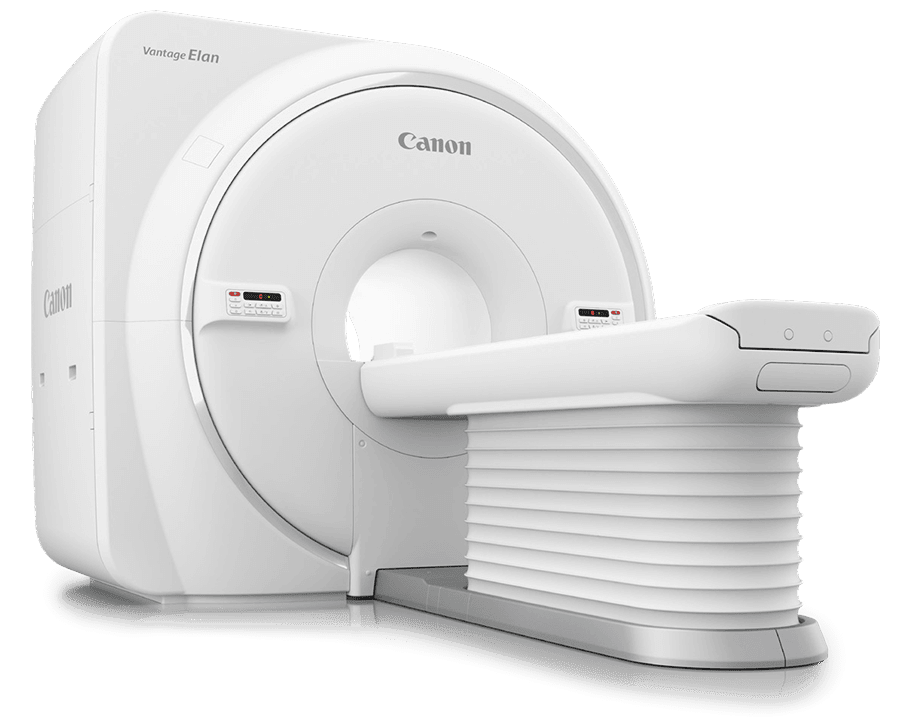
Impact of Upgrading to Vantage Elan / Active Edition V8.1
Carla Perez
Alicia Palomar, M.S
Alba Iruela, M.S
Background
Magnetic Resonance Imaging (MRI) continues to evolve rapidly to meet the growing demand for high-quality diagnostic imaging and efficient workflows.
This white paper describes the impact of upgrading the Vantage Elan system to the latest version, Vantage Elan / Active Edition V8.1, highlighting improvements in image quality, workflow efficiency, and clinical applicability based on a proof-of-concept evaluation conducted at Instituts Guirado (Barcelona, Spain).

Solutions to Improve Workflow and Image Quality
A key pillar of this upgrade is the combined enhancement of image quality and efficiency. Through the integration of advanced acquisition and reconstruction techniques, the system not only delivers superior diagnostic images but also improves workflow in daily clinical practice. Tools that contribute to both areas include:
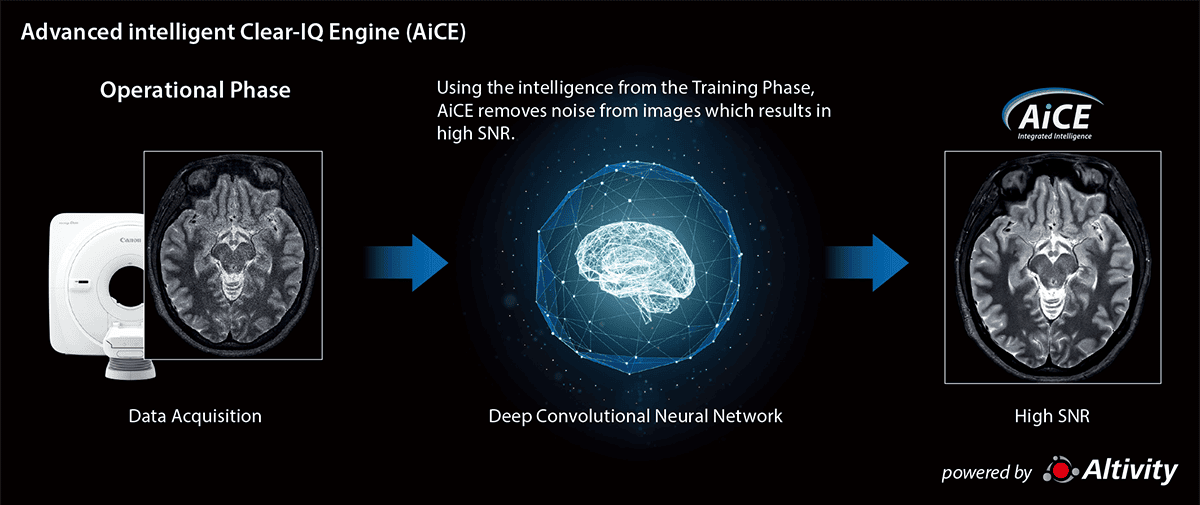
- Advanced intelligent Clear-IQ Engine (AiCE) is an AI-powered reconstruction tool based on deep learning. This technique discriminates noise from real signal and manages to significantly reduce image noise while preserving anatomical and pathological features1. AiCE is applicable across various anatomies, contrasts, and clinical applications, supporting integration with a wide range of imaging solutions to consistently elevate image quality2-4.
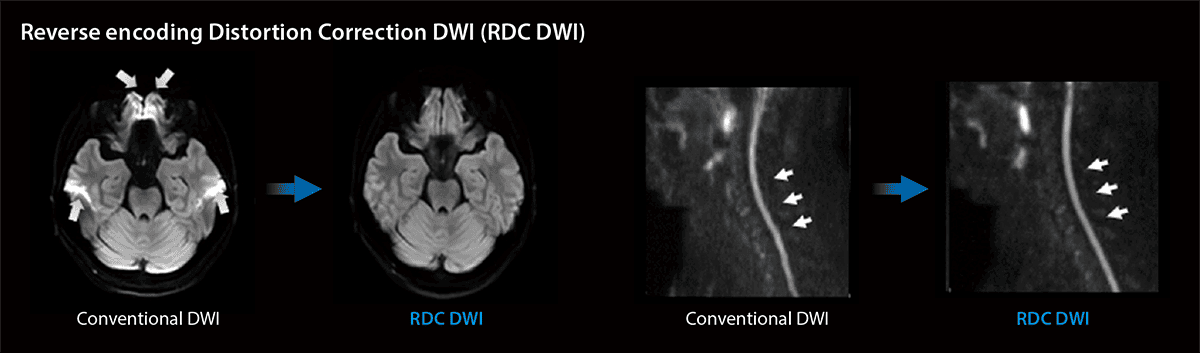
- Reverse encoding Distortion Correction DWI (RDC DWI) is an advanced technique used in diffusion studies to reduce the geometric distortions commonly seen in Echo Planar Imaging (EPI)5, 6. The correction is achieved by acquiring additional images with reversed phase-encoding directions, allowing for the estimation and correction of distortions caused by magnetic field inhomogeneities and susceptibility effects7.
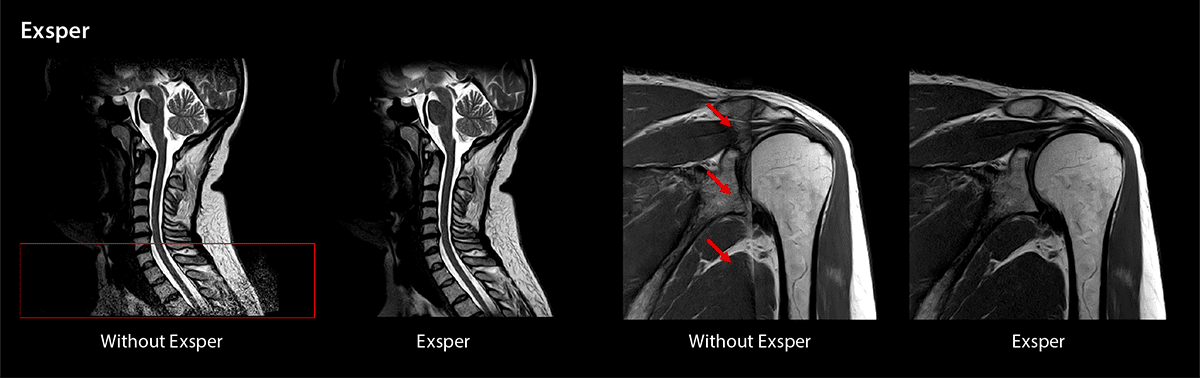
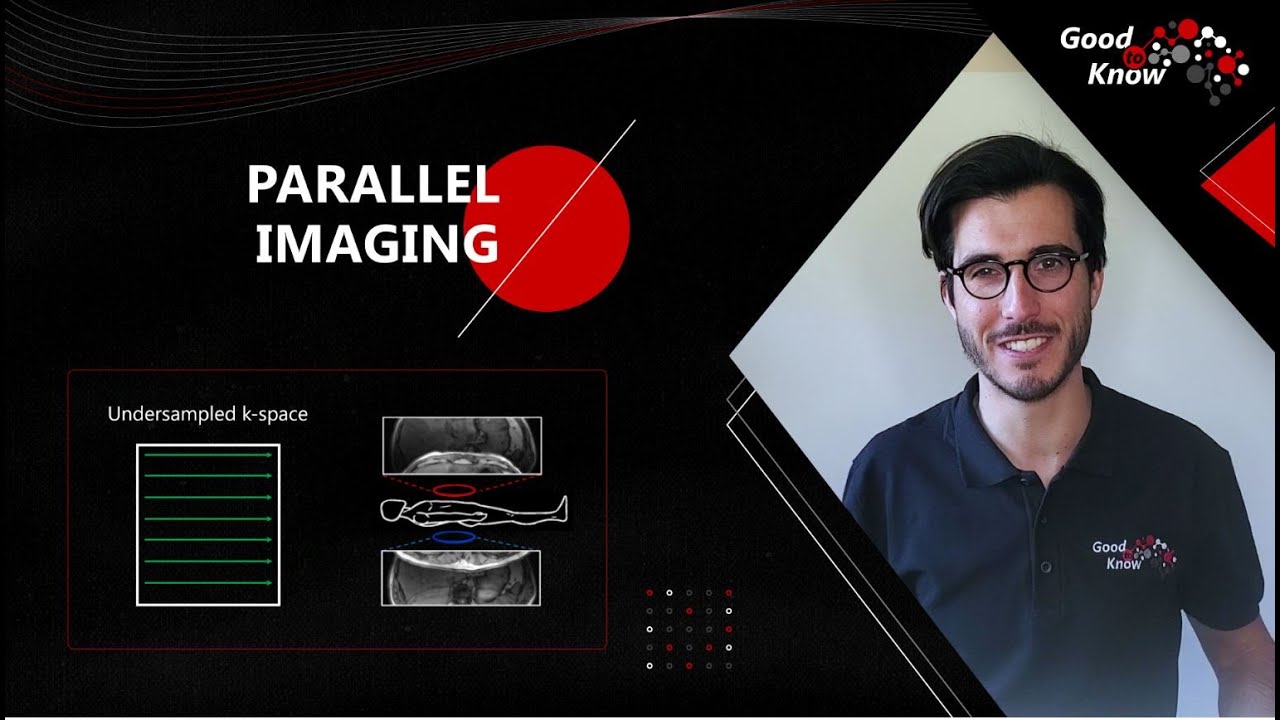
- Exsper is a parallel imaging technique, based on k-space undersampling that reduces acquisition time without compromising image quality8. Unlike conventional accelerators such as SPEEDER, Exsper is more robust against motion artifacts and unfolding errors, making it especially valuable in studies involving patients with limited ability to remain still. It can be applied to both 2D and 3D sequences.
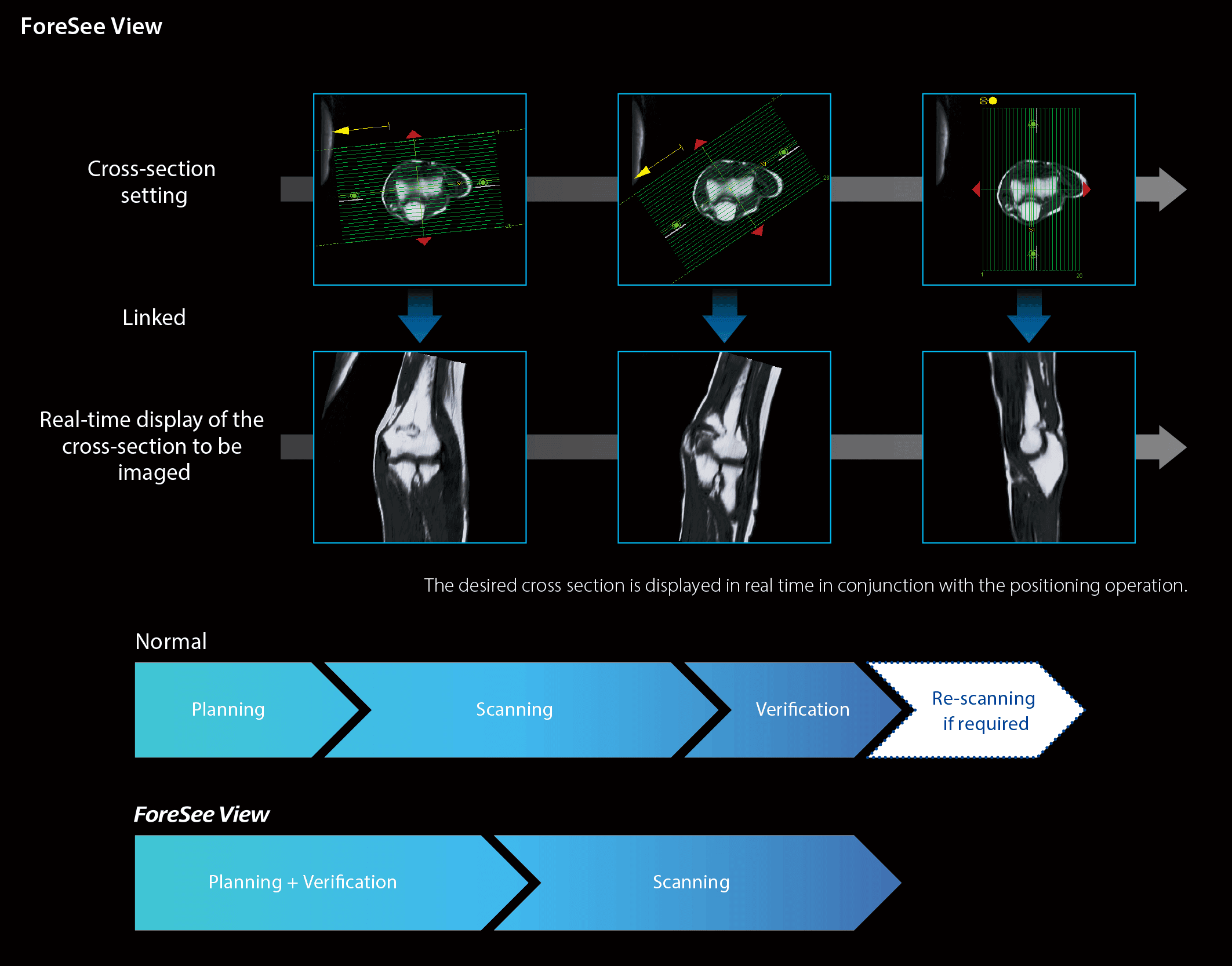
- ForeSee View enhances slice planning through real-time visualization. This feature allows the technician to preview slice orientation before acquisition, enabling more accurate planning and reducing the need for repeated scans.
- Hardware improvements in the new version also contribute to efficiency. Faster image reconstruction and data transfer capabilities reduce overall processing time.
Evaluation in a Clinical Setting
To explore the potential of this upgrade, a proof-of-concept project was conducted at Instituts Guirado (Barcelona, Spain), a Medical Diagnostic Imaging Center with over forty years of experience in providing diagnostic care to patients. Committed to achieving diagnostic excellence, Instituts Guirado is equipped with a wide range of imaging technologies to address diverse clinical needs.
The center is equipped with two 1.5T Canon MRI systems (Vantage Elan and Vantage Fortian) and one 3T Canon MRI system (Vantage Galan 3T), supporting a comprehensive range of clinical applications. These include neurological (brain and spine), musculoskeletal (MSK), body imaging (abdominal, prostate and pelvic), breast and cardiovascular studies.
Project Design
The goal of this evaluation was to assess how image quality and scan times could improve when upgrading from optimized V4 protocols to V8.1 protocols using the Vantage Elan system.
First, the best-performing V4 protocols from other Vantage Elan systems across Iberia were identified and adapted to the Instituts Guirado system. These served as the baseline for comparison. Then, new V8.1 protocols were created and optimized to balance speed and spatial resolution while incorporating the advanced tools available in the upgraded software.
The study included a broad range of anatomical regions:
- Neurological: brain, internal auditory canals (IACs), cervical spine, and lumbar spine
- Body: breast, abdomen, prostate, and gynecological pelvis
- Musculoskeletal: hip, shoulder, wrist, knee, ankle, and foot
This variety of examinations enabled a comprehensive evaluation of the versatility of the new innovations across all routine exam types and their impact on daily clinical practice.
During acquisitions, a qualitative comparison was performed by professionals through visual assessment of image sharpness, small-structure visibility, contrast uniformity, artifact reduction, etc. This real-time image review and feedback by radiologists or MRI technologists confirmed that new tools offered noticeable improvements over the previous version.
“I WOULD RECOMMEND THIS UPGRADE TO ALL RADIOLOGISTS AND VANTAGE ELAN USERS WHO ARE LOOKING TO INCREASE THEIR CENTER'S PRODUCTIVITY OR TAKE A STEP FORWARD IN THE QUALITY OF THEIR STUDIES.”
Dr. Català, Executive Director at Instituts Guirado
Key Results
The upgrade of the Vantage Elan system to version V8.1 has delivered substantial improvements in both image quality and the potential for more protocol efficiency. To provide a concrete example of these advances, results were collected in terms of scan time, spatial resolution and slice thickness.
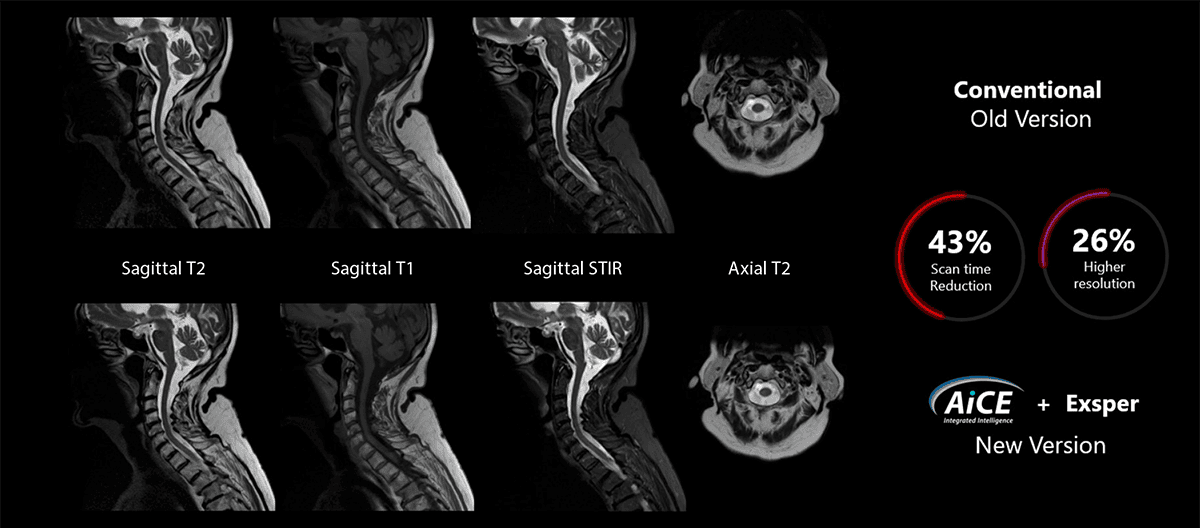 Figure 1: Panel of images illustrating improvements in cervical spine imaging
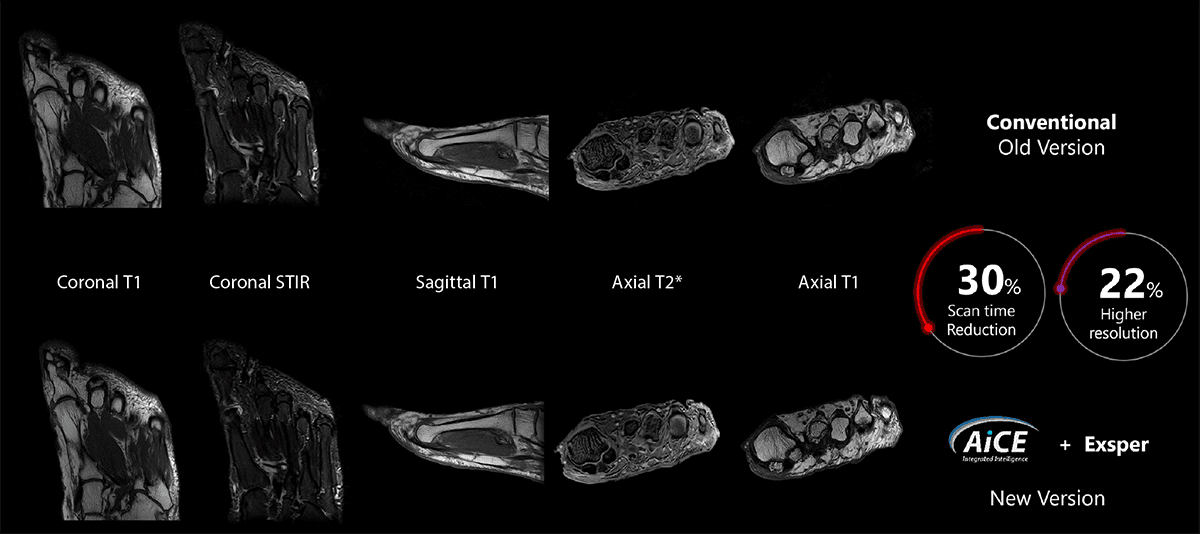 Figure 2: Panel of images illustrating improvements in foot imaging
One of the most significant changes has been the reduction in acquisition times. Across most MR examinations performed, an average reduction of 19% was achieved in the duration of the best-performing protocols. Some specific sequences, such as cervical spine and internal auditory canals (IACs), resulted in reductions of up to 51%.
In addition to the gain in speed, the updated protocols demonstrated clear improvements in spatial resolution and slice thickness in many cases, as shown in Figure 3.
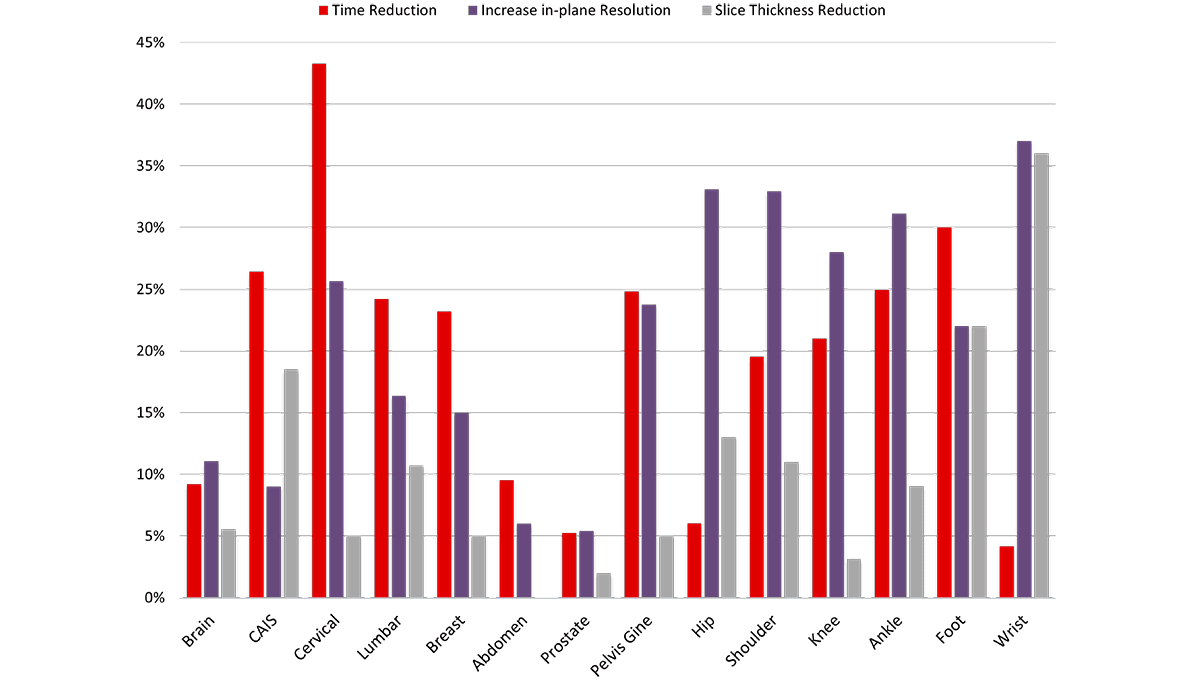 Figure 3: Percentage of improvement in time and image resolution
These metrics demonstrate that depending on the anatomical region and clinical objective, requirements vary, and resolution may be prioritized. For instance, in studies of the cervical spine or knee, time reduction was maximized, as these are among the most frequently performed exams and benefit the most from shortened protocol durations. Conversely, in wrist or ankle studies, more significant gains were observed in spatial resolution and slice thickness, directly enhancing diagnostic precision.
Improvements were also evident in diffusion studies, where the combination of RDC DWI and AiCE enabled substantial correction of geometric distortions and provided clearer delineation of anatomical structures.
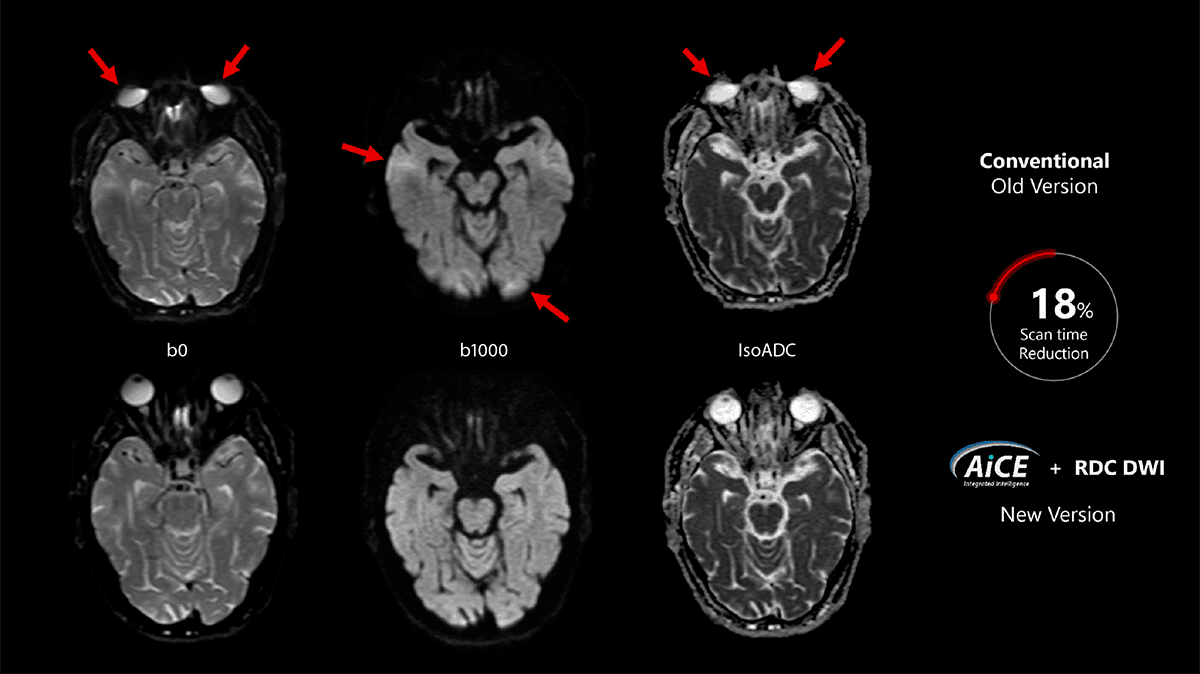 Figure 4: Panel of images showing the reduction of geometric distortion as well as scan time acceleration on DWI imaging
In the case of Instituts Guirado, the upgrade has made it possible to perform studies that were previously not optimal on this system (e.g., abdomen, IACs, ATM, etc.), thereby expanding the range of available examinations and strengthening the center's ability to respond to a greater diversity of diagnostic needs.
After optimizing protocols to take advantage of the capabilities of the new version, acquisition times were reduced and image resolution was increased. This could improve the clinical interpretation of lesions and small anatomical structures and could also lead to an increase in productivity.
Upgrading to High Quality and Efficient MRI
Beyond the image quality and timing improvements that have been observed in this clinical evaluation project, the V8.1 upgrade could also offer the following benefits:
- Superior diagnostic quality: AiCE and RDC DWI enable the acquisition of sharper images with reduced distortion, which can enhance diagnostic confidence in complex anatomies.
- More efficient and stable protocols: The need for repeated scans may be reduced.
- Increased productivity: Thanks to accelerated sequences and optimized workflow, patient throughput may increase without compromising image quality. The impact may change depending on the clinical and organizational context of each facility.
- Improved patient experience: Shorter scan times may reduce waiting periods and minimize the duration of the exams, improving overall patient comfort and reducing anxiety or discomfort commonly associated with MRI procedures.
- Profitability and sustainability: The upgrade helps maintain the system’s long-term usability by incorporating new technology, enabling an increase in the number of examinations and decreasing repeated examinations.
In summary, Vantage Elan V8.1 has the potential to elevate system performance to a new level, offering an optimal balance between quality, speed, and cost-effectiveness.
References
- Pouliquen, G., Debacker, C., Charron, S., Roux, A., Provost, C., Benzakoun, J., ... & Oppenheim, C. (2024). Deep learning-based noise reduction preserves quantitative MRI biomarkers in patients with brain tumors. Journal of Neuroradiology, 51(4), 101163.
- Takenaka, D., Ozawa, Y., Yamamoto, K., Shinohara, M., Ikedo, M., Yui, M., ... & Ohno, Y. (2024). Deep learning reconstruction to improve the quality of MR imaging: evaluating the best sequence for T-category assessment in non-small cell lung cancer patients. Magnetic Resonance in Medical Sciences, 23(4), 487-501.
- Ueda, T., Ohno, Y., Yamamoto, K., Murayama, K., Ikedo, M., Yui, M., ... & Toyama, H. (2022). Deep learning reconstruction of diffusion-weighted MRI improves image quality for prostatic imaging. Radiology, 303(2), 373-381.
- Yamamoto, T., Lacheret, C., Fukutomi, H., Kamraoui, R. A., Denat, L., Zhang, B., ... & Tourdias, T. (2022). Validation of a Denoising Method Using Deep Learning–Based Reconstruction to Quantify Multiple Sclerosis Lesion Load on Fast FLAIR Imaging. American Journal of Neuroradiology, 43(8), 1099-1106.
- Furuta, M., Ikeda, H., Hanamatsu, S., Yamamoto, K., Shinohara, M., Ikedo, M., ... & Ohno, Y. (2024). Diffusion weighted imaging with reverse encoding distortion correction: Improvement of image quality and distortion for accurate ADC evaluation in in vitro and in vivo studies. European journal of radiology, 171, 111289.
- Numamoto, H., Fujimoto, K., Miyake, K. K., Fushimi, Y., Okuchi, S., Imai, R., ... & Nakamoto, Y. (2025). Evaluating reproducibility of the ADC and distortion in diffusion-weighted imaging (DWI) with reverse encoding distortion correction (RDC). Magnetic Resonance in Medical Sciences, 24(1), 66-77.
- Ito, S., Okuchi, S., Fushimi, Y., Otani, S., Wicaksono, K. P., Sakata, A., ... & Nakamoto, Y. (2024). Thin-slice reverse encoding distortion correction DWI facilitates visualization of non-functioning pituitary neuroendocrine tumor (PitNET)/pituitary adenoma and surrounding normal structures. European Radiology Experimental, 8(1), 28.
- Deshmane, A., Gulani, V., Griswold, M. A., & Seiberlich, N. (2015). Parallel MR imaging. Journal of Magnetic Resonance Imaging, 36(1), 55-72.
Clinical and Scientific Canon Medical Support



Clinical and Scientific Canon Medical Support



Altivity is Canon Medical's new approach to AI innovation. It is a multimodality, overarching brand,
which pulls together all the AI technology that Canon Medical provides under one name.
Disclaimer: The clinical results, performance and views described in this document are the experience of the health care providers. Results may vary due to clinical setting, patient presentation and other factors. Many factors could cause the actual results and performance of Canon’s product to be materially different from any of the aforementioned.
Some features presented in this article may not be commercially available on all systems shown or may require the purchase of additional options. Due to local regulatory processes, some commercial features included in this publication may not be available in some countries. Please contact your local representative from Canon Medical Systems for details and the most current information.
The AI technology was trained during the development phase. When implemented into the product, the AI function no longer self-learns.
For more information


The content reflects information available at the time of publication and may differ from current information.
Social Media


