

The Future of MR Imaging
Rich Mather, Ph.D.
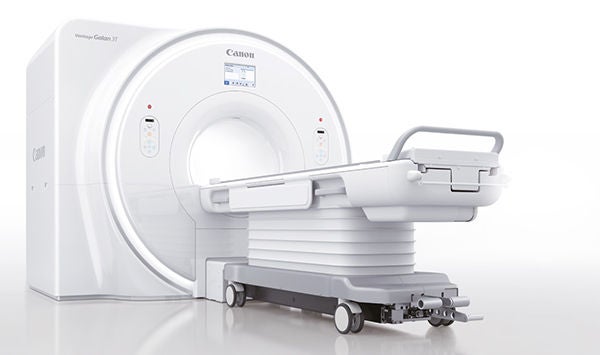
The challenges of access to MR technology come from a range of different causes. For some patients, it is a matter of proximity, having to travel hundreds of miles to the nearest facility. For others, claustrophobia or physical size prevents them from being able to get an exam. Finally, for some, the exam cost can be preventative. Whatever the reason, limitations to access means that many patients with a clinical need for MR are unable to get one. In order to improve access, we need to minimize system cost and, more importantly, total cost of ownership. This will lower the barrier for smaller, more remote community clinics to install and operate an MR, increasing the geographic coverage. New system designs will better accommodate more patient shapes, sizes, and movement limitations as well as minimizing the opportunity for claustrophobia. Finally, MR scanners will be designed around ubiquitous high-speed networks to build an ecosystem of interconnected components that can help bridge across distributed healthcare informatics systems.
The other major challenge in MR is workflow. The flexibility that is inherent in MR systems comes at the cost of generating large datasets that capture multiple combinations of the many different possible contrast mechanisms. Acquisition speeds are slow compared to CT and ultrasound, making scheduling and patient throughput more challenging. Similarly, as access challenges are solved, scanner operation must be made simpler and faster to enable high-quality images without the need for highly-trained technologists and to allow higher volumes of patients to be scanned at busy clinics.

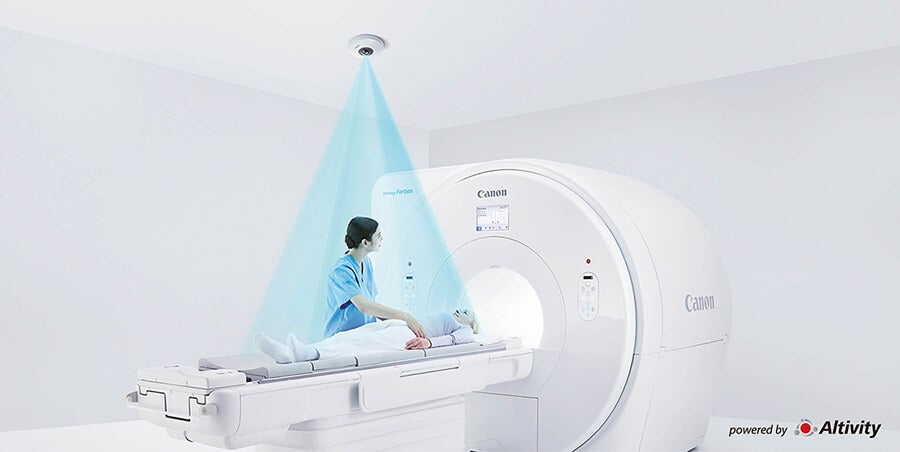
AI will also play a key role in streamlining and simplifying MR workflow across the entire diagnostic process from patient preparation to scan planning to image acquisition and through image analysis and reporting. Preparing the patient for the exam is a critical step in ensuring both diagnostic quality and a good imaging experience. Getting key parts of this preparation done outside the scanner room improves scanner and radiographer resource efficiency. The introduction of AI-powered tablets that are integrated with the scanner console allows these critical resources to be focused on the patient throughout the process. These tablets can preload key patient and scan information, help to recommend and optimize scan protocols, and guide coil selection. Furthermore, optical Ceiling Cameras can feed patient and coil position information to the AI engine to optimize couch position for the best image quality. Once the patient is properly centered in the magnet, other AI networks begin the process of ensuring the best scan planes are used for the examination. These algorithms examine locator images, recognize the patient anatomy, and automatically plan the scan geometry and acquisition parameters. These technologies can help streamline the workflow for neuro, cardiac, liver, spine, knee, and other anatomies ensuring highly reproducible and standardized MR examinations that are independent of the experience of the radiographer. This reproducibility is especially critical for follow-up examinations so that identical scan planes can be acquired. During the scan acquisition, a combination of sensor hardware and AI will detect and correct for non-idealities in the magnetic field. This will not only help to further accelerate acquisitions, but may also allow for scanners to be sited in less restrictive environments. Next, once the scans have been acquired and reconstructed, AI quality control can examine the data for artifacts and other issues. Depending on the situation, these may be automatically corrected or could suggest a reacquisition to the radiographer. Finally, AI will help to manage what could otherwise be over-whelming data volumes. Image data will be automatically analyzed and clinically relevant findings will be identified. For example, in a stroke dataset, the perfusion/diffusion mismatch will be automatically calculated and a structured report will be generated. Urgent findings can be flagged and sent to the clinical team for confirmation and follow-up action, reducing the time to treatment. Similarly, algorithms like this can triage normal datasets and prioritize reading worklists for the reading radiologists. Each of these technologies will shave minutes off the diagnostic process and help to alleviate staffing pressure or allow for greater throughput in the busiest clinics. Ultimately, AI will streamline and simplify the entire MR workflow.
MR has the widest potential of any current imaging modality and should be available anywhere, anytime and to anyone. Cost, speed, complexity, and availability have limited this potential. The future technologies discussed here will democratize MR, opening global access and simplifying the workflow to manage the increasing demand without compromising on quality or cost.
Rich Mather, Ph.D.
President
Canon Medical Research USA, Inc.


The content reflects information available at the time of publication and may differ from current information.
Social Media


