

The State of the Art in Percutaneous Coronary Interventions with Alphenix
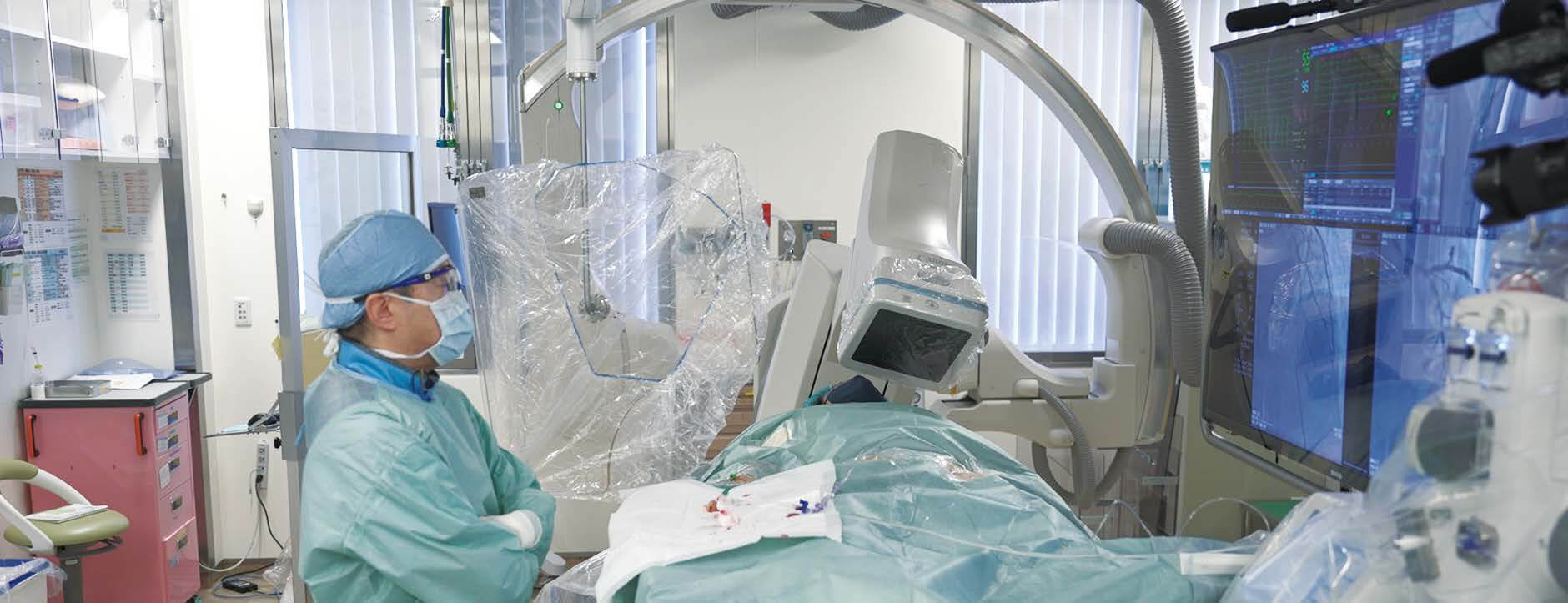
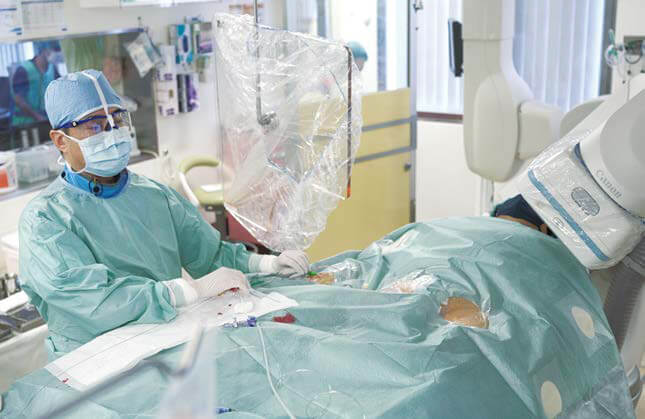
X-ray imaging plays a crucial role in the transcatheter treatment approach to coronary interventions, from pre-procedural evaluation through device size selection to treatment and follow-up.
A Partner in Image Guided Procedures
“The Angio system is an essential partner for the interventional cardiologist in delivering precision in complex coronary interventions regardless of patient size,” Dr. Tanabe remarked.
“Canon's Alphenix Angiography systems have been providing us exceptional imaging at low dose for years and years, so my team members really love it. It meets the interventionist’s specific needs and preferences as well.”
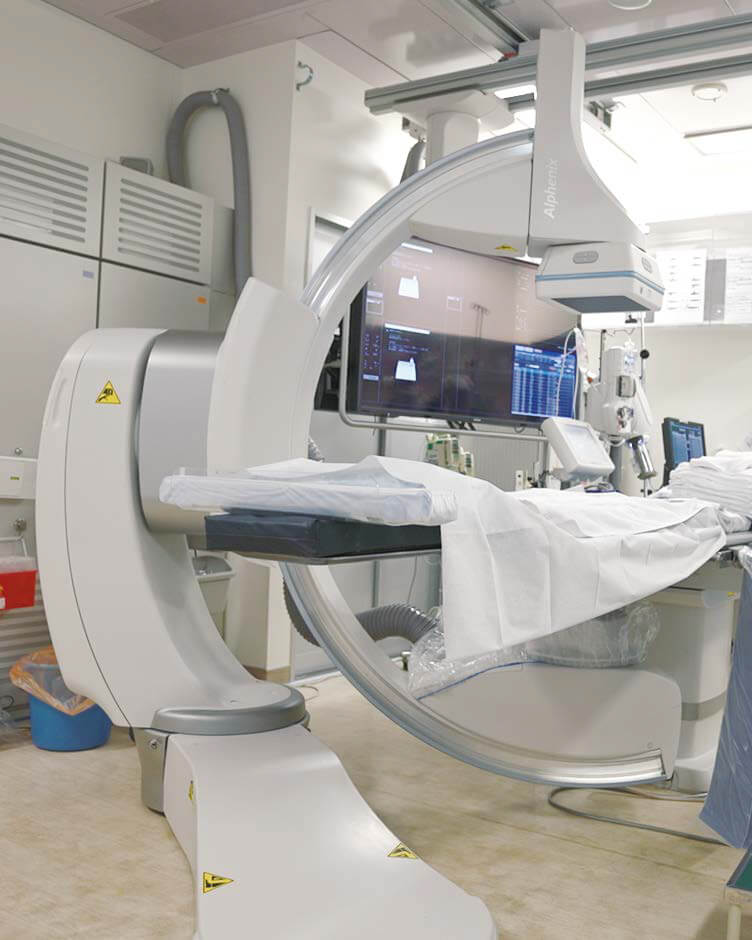
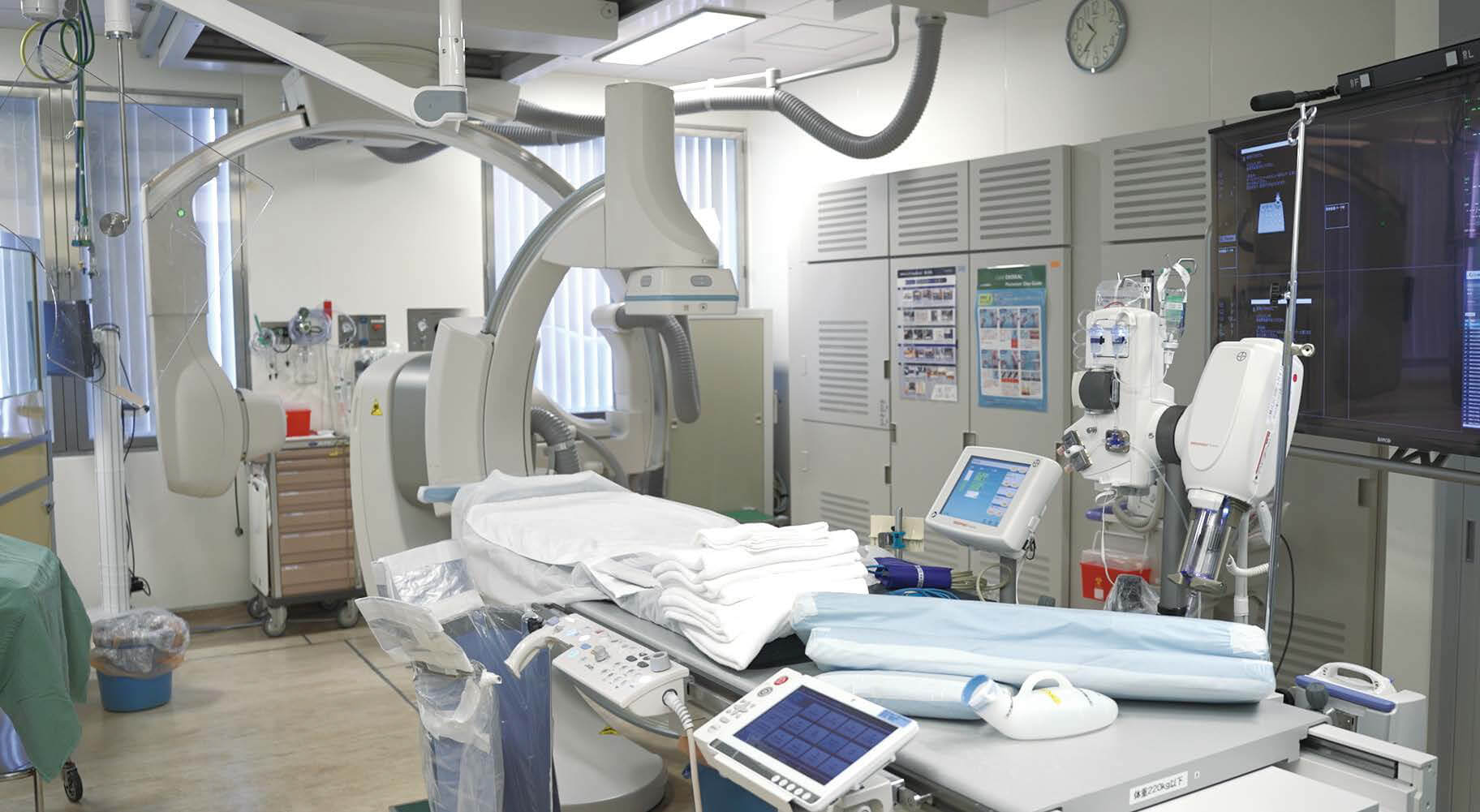
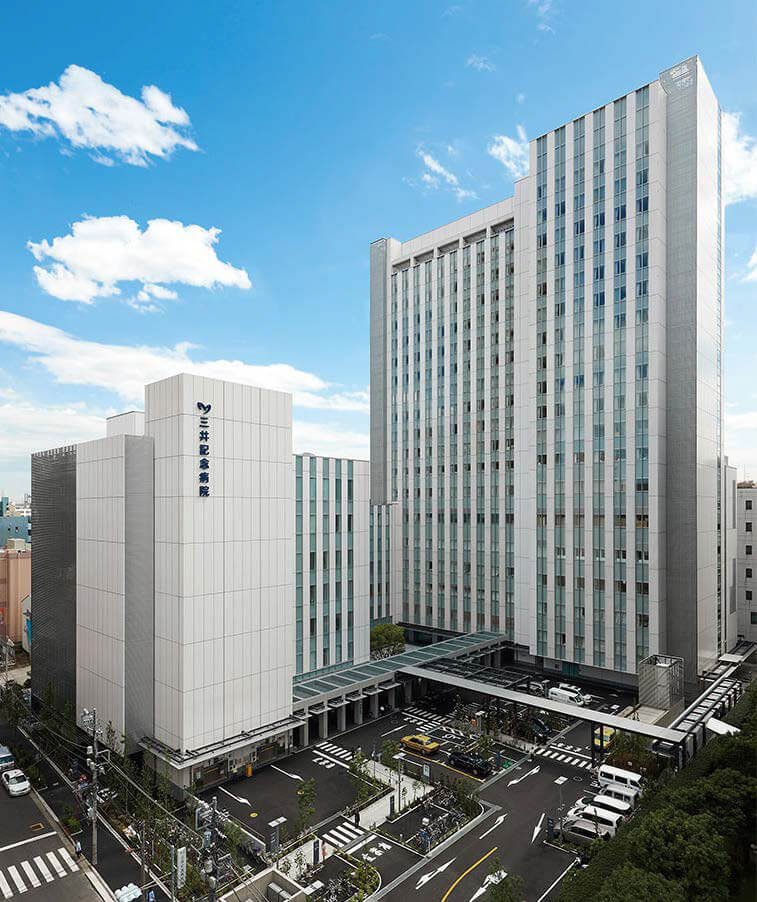
Mitsui Memorial Hospital has two cath labs running Alphenix. Cath lab 1 is mainly used for percutaneous coronary intervention (PCI) and electrophysiology (EP), and is equipped with an eight-inch flat panel detector. In cath lab 2, another Alphenix is mainly used for structural heart disease (SHD), endovascular and cerebrovascular interventions, which are performed using a 12-inch flat panel detector.
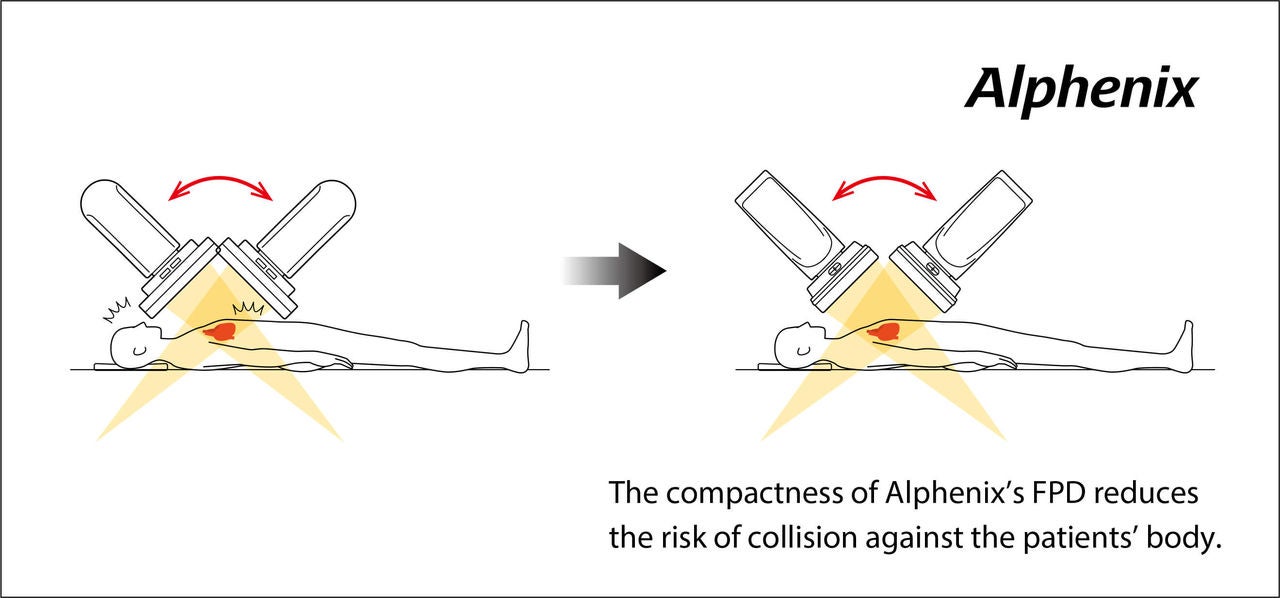
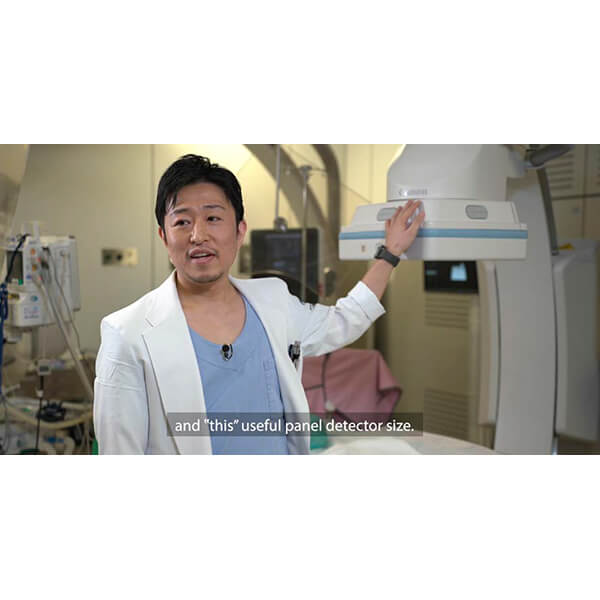
“The housing of Alphenix’s X-ray detector is very compact, so it helps us avoid bumping the patient with the Flat Panel Detector (FPD) even when steep C-arm angulation is required to succeed in complex coronary procedures,” he explained.
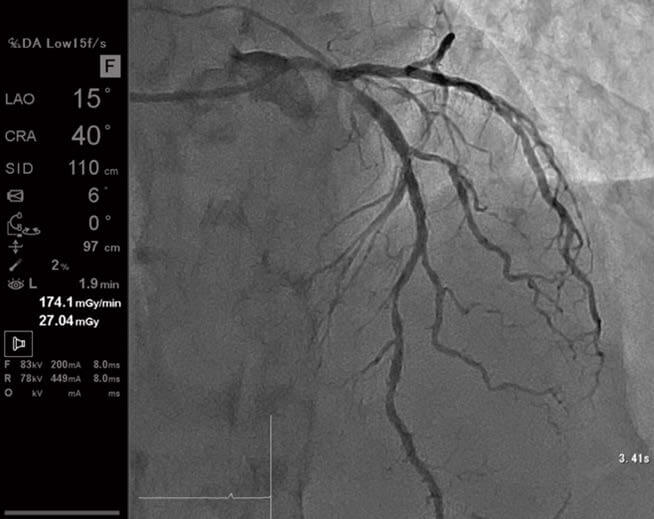 DA diluted mode image using three times diluted contrast medium
“From my experience, you can definitely minimize contrast media volume. I often use contrast media that is three times diluted but could be diluted more,” he added. “Alphenix’s DA diluted mode enables us to perform safer and more effective patient treatment.”
From a global perspective, shortages of contrast media over the past few years have affected many hospitals and patients. The shortage has impacted millions of examinations, some of which are essential or improve diagnostic accuracy.
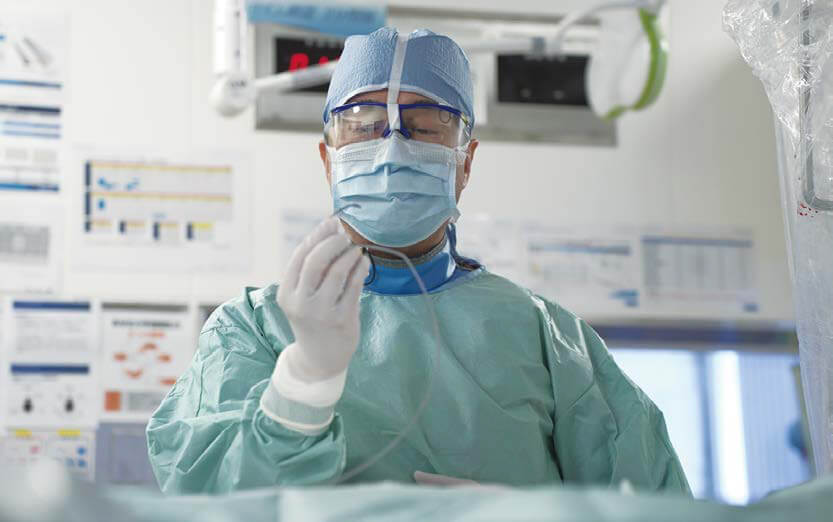
“Although just using regular fluoroscopy to conduct complex PCI with implanting Ultrathin 60 μm drug-eluting strut like Orsiro stent (Manufactured by BIOTRONIK), the imaging of Alphenix is excellent. I don’t even have to use DA/Cine for deploying ultrathin stents in order to evaluate properly through the image.”
Dr. Kengo Tanabe, Interventional Cardiologist and Director of Division of Cardiology Department at Mitsui Memorial Hospital, Tokyo, Japan.
Stent Mode
This mode doesn’t require balloon marker detection but can enhance and display the coronary stent image in real time. It can be used for Cine/ DA and also allows physicians to more easily evaluate the degree of stent expansion.
“When I decide IVUS/OCT is unnecessary, those two stent enhancing features are effective during the procedure because I can quickly confirm whether the stent has expanded enough or not,” noted Dr. Tanabe. “Besides, DDS doesn’t require Cine/DA, so it’s an absolutely user friendly feature which doesn’t disturb the physician’s workflow and provides lower X-ray dose exposure to patients and medical staff.”
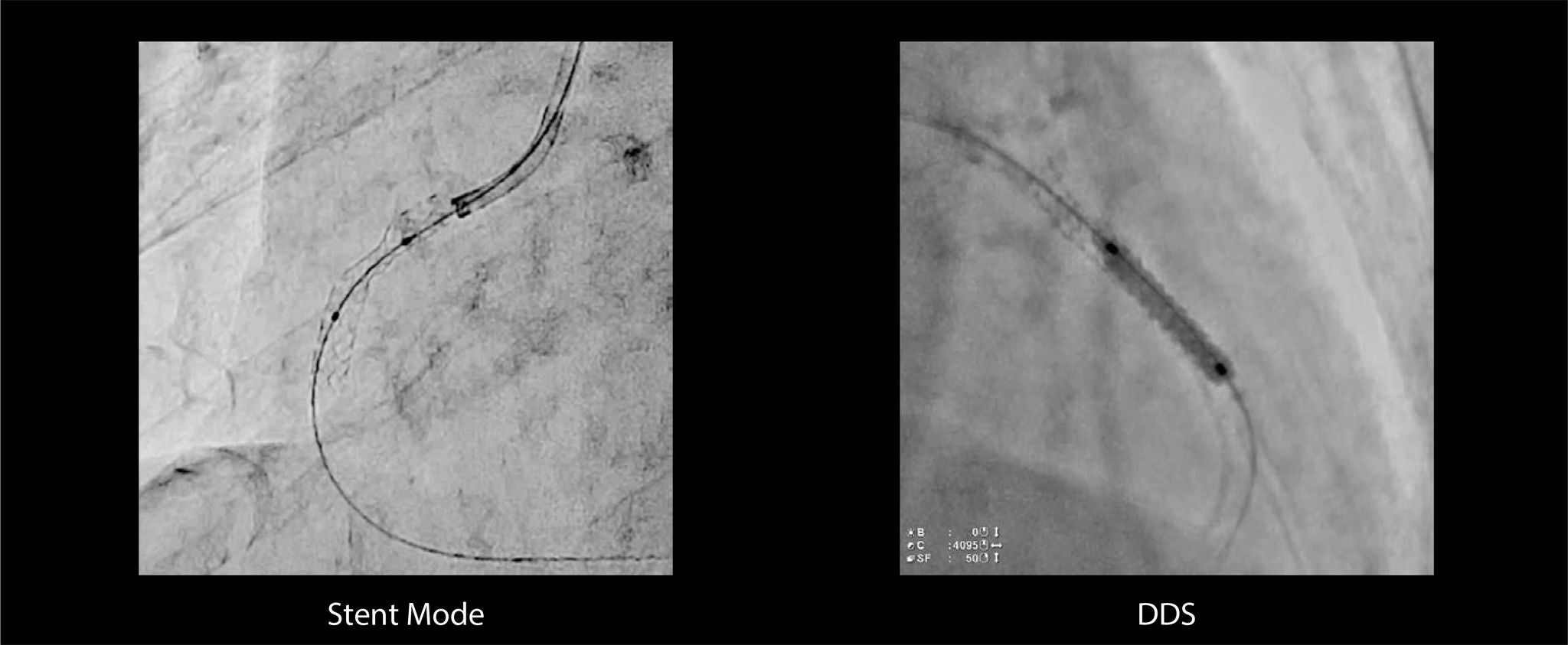 Physicians can evaluate the stent position and how much the stent has expanded
Unique Workflow Opportunities
Alphenix integrates cardiac-optimized technologies with other modalities to help deliver the best possible outcomes for patients and medical staff. Features include tools to simplify procedure planning, technology to help users see and navigate with confidence, and better patient protection with a comprehensive suite of optimized technologies.
“The fusion of coronary CT image and angiographic image that Canon Medical provides could be a useful tool for training young physicians, Dr. Tanabe suggested. “If the image integration chain technology is upgraded, it could potentially help us plan procedures and deploy PCI devices more precisely.”
“PCI and CTO procedures are becoming more and more complex. Therefore, high image quality and intuitive operation are keys to handling more cases. The Alphenix series has been satisfying us for over a decade and I believe it will continuously become better and better.”
Dr. Kengo Tanabe, Interventional Cardiologist and Director of Division of Cardiology
Department at Mitsui Memorial Hospital, Tokyo, Japan.
For more infomation
The content reflects information available at the time of publication and may differ from current information.

Magazine for Interventional X-ray
Read testimonials from users of Canon Medical Systems' vascular systems.
Social Media


