

Hi-Def Detector and 320-row Area Detector CT Open up New Possibilities in Interventional Radiology
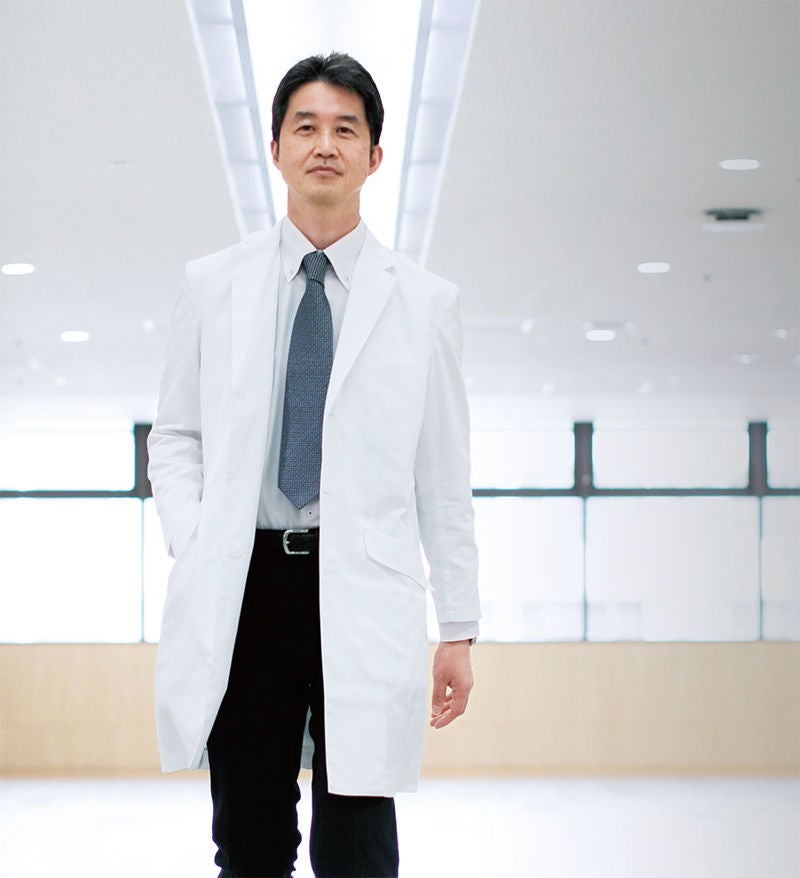
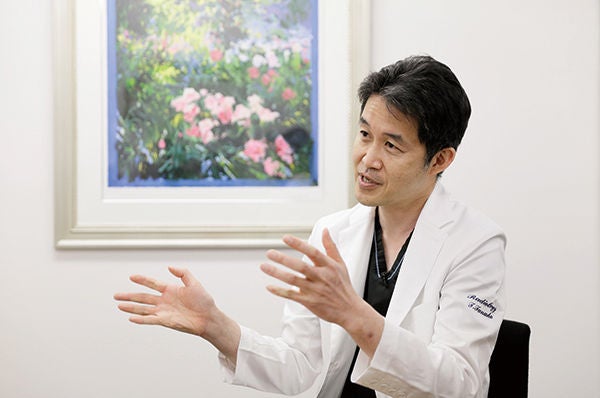
Dr. Toshihiro Tanaka has taken on many new challenges in expanding the range of clinical applications of interventional radiology (IR), starting from tumor vascular embolization, to AVM coil embolization, and then to transcatheter arterial micro-embolization (TAME) for pain management. He serves as professor of diagnostic and interventional radiology based on his personal philosophy, "Harmony is to be valued." We asked him to discuss the equipment features and functions he has found to be indispensable when performing IR procedures.
Dr. Toshihiro Tanaka,
Professor and Chair, Department of Diagnostic and Interventional Radiology,
Nara Medical University, Nara, Japan
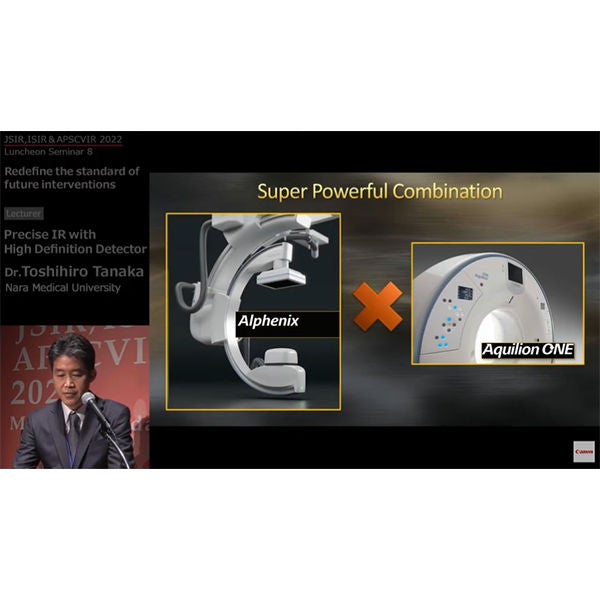
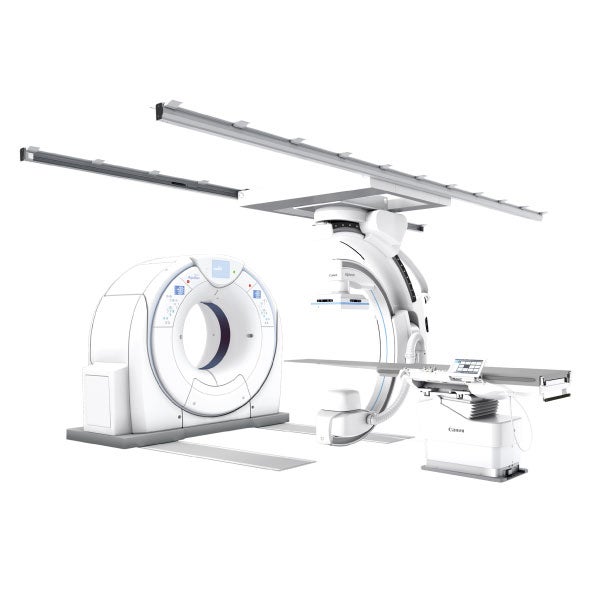
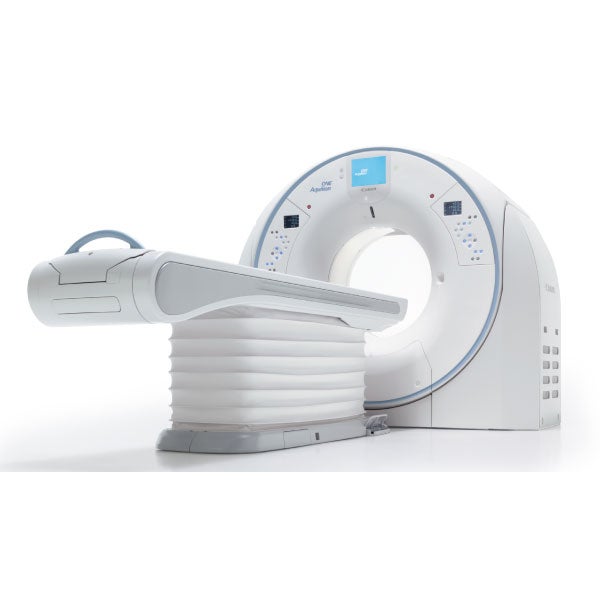
Angio CT simplifies complicated clinical routines
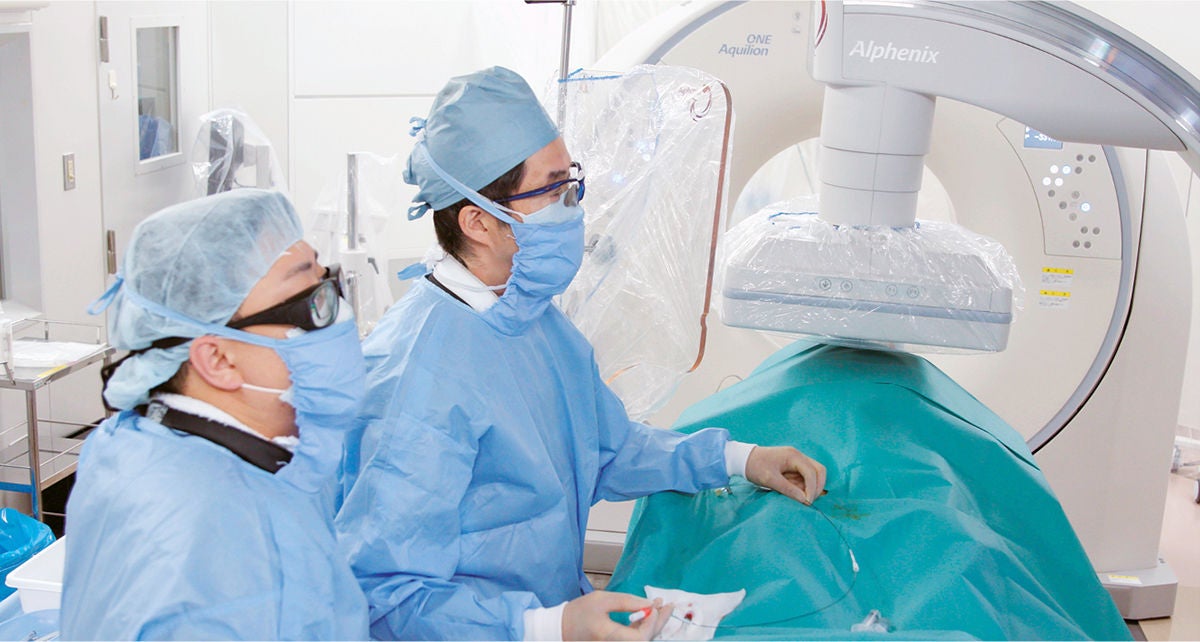
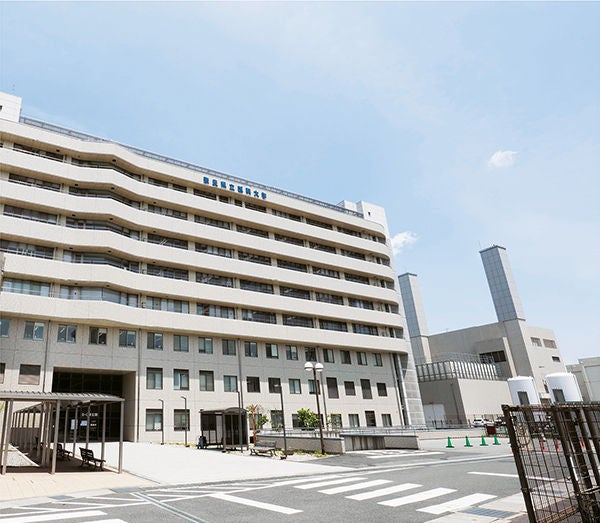
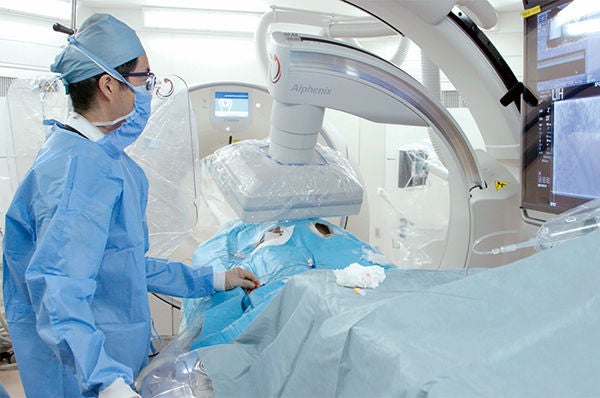
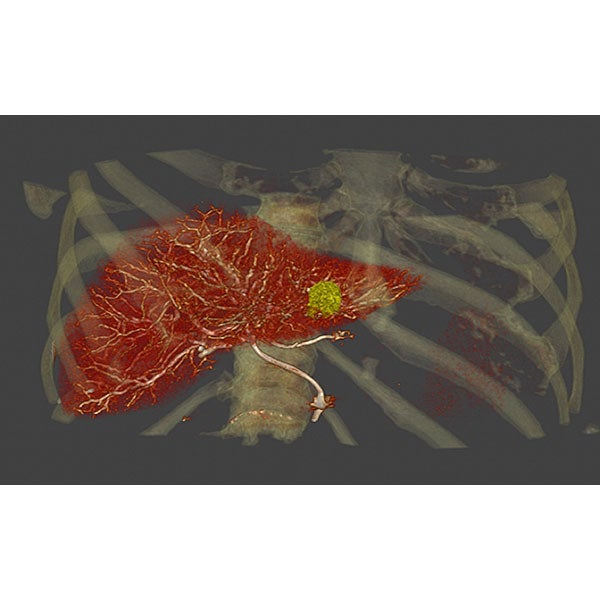
At that time, routine clinical practice at Nara Medical University Hospital was to transfer patients back and forth between the Angiography room and the CT room on stretchers. In patients with liver cancer, Angiography was used to determine the number of tumors and evaluate blood flow dynamics. The patient was first sent to the Angiography room, where catheters were introduced into the superior mesenteric artery and the hepatic artery, and portal venography was performed via the superior mesenteric artery. The patient was then transferred to the CT room, where contrast CT images were acquired via the hepatic artery to visualize the arterial supply. So we made the diagnosis during this phase of the overall process of transarterial chemoembolization (TACE). After diagnosis, the patient was transferred back to the Angiography room to perform the actual TACE procedure. This clinical routine, in which the patient needed to be transferred between rooms several times, not only placed a severe burden on the patient but also made it difficult to manage the CT room efficiently.
When patients were transferred from the Angiography room, the CT examinations scheduled for all other patients had to be suspended, even when the room was fully booked.
Seamless integration with CT in a wide range of clinical research
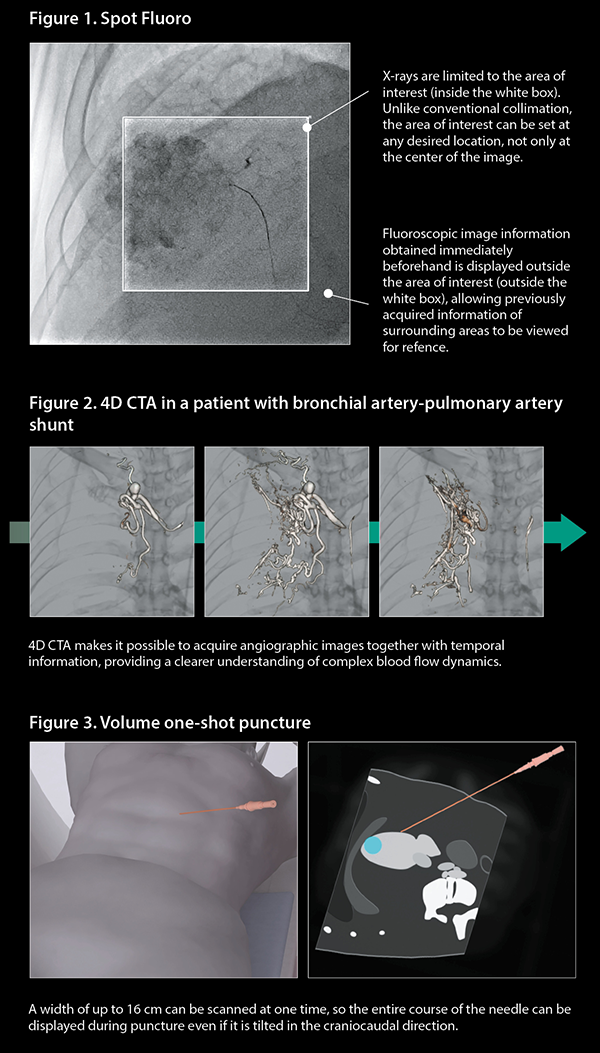
4D navigation pioneered by 320-row CT
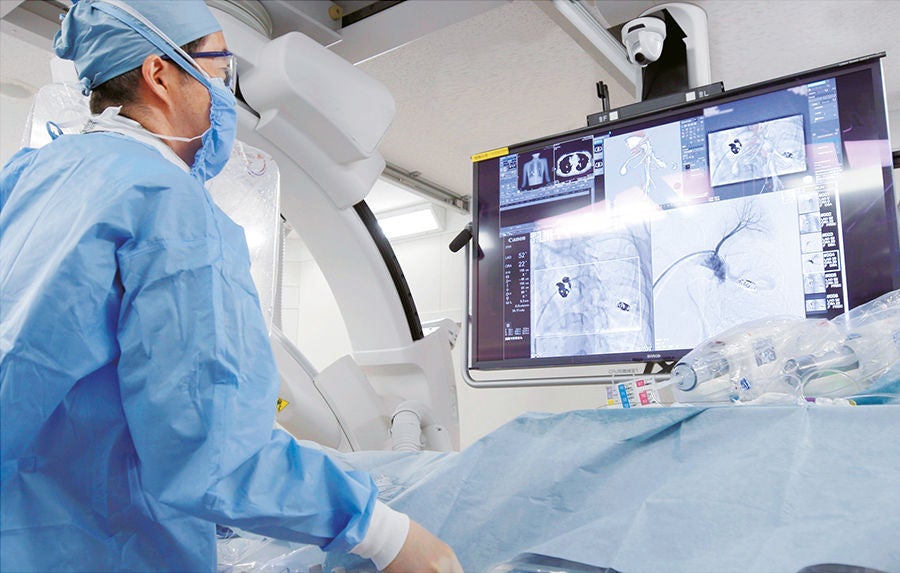
Future expansion of IR into many new areas
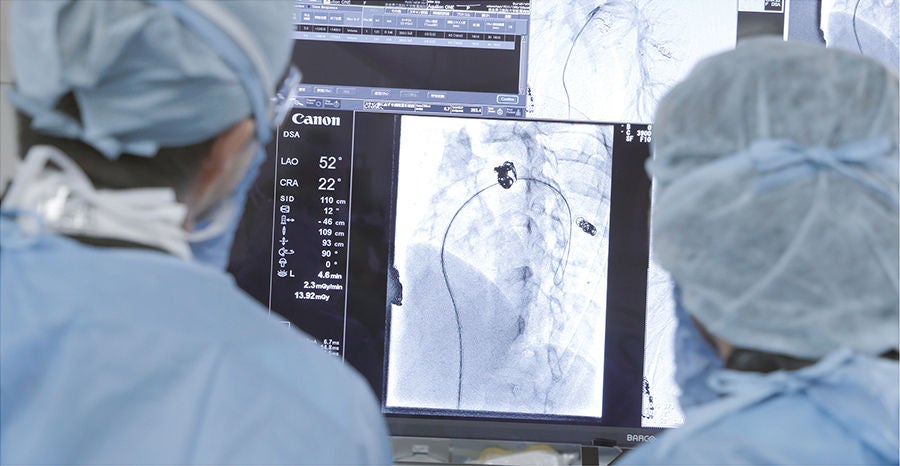
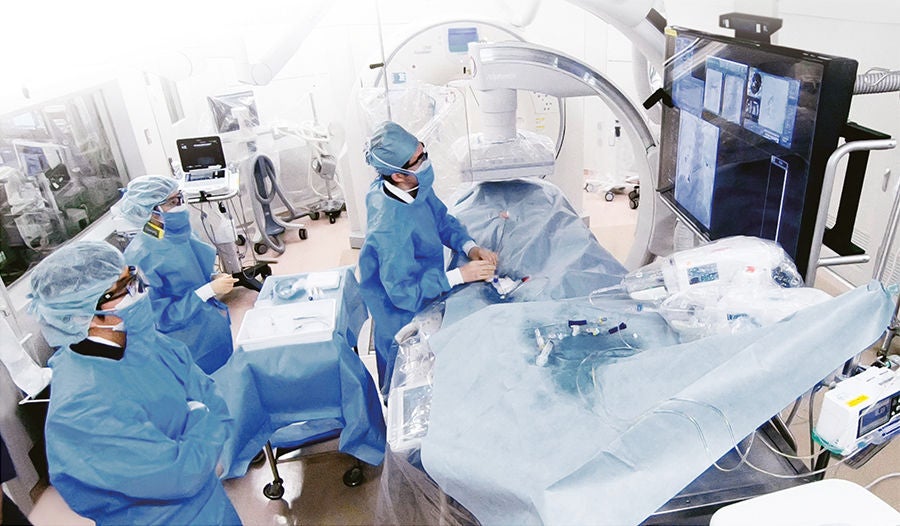
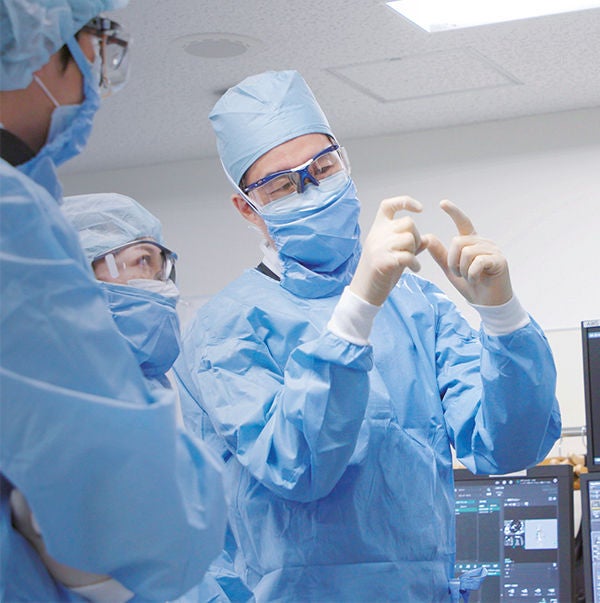
But their role has been steadily expanding to include creating the navigation images used for treatment, displaying the images and communicating with the doctors during the procedure, and working together as a team with doctors in treating patients. The doctors operate the catheters during the procedure while constantly communicating with the radiological technologists to set the optimal view angles and navigate to the target vessels.
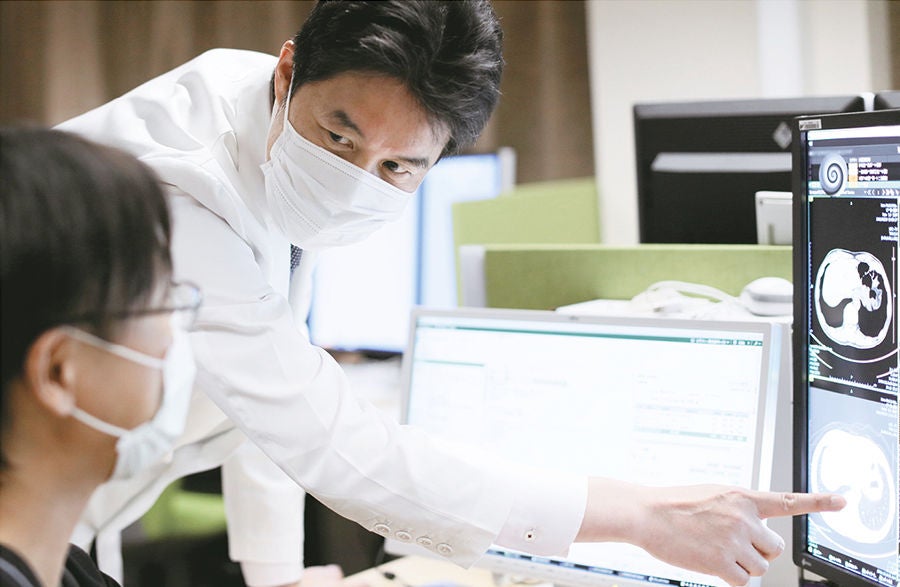
When visitors from other institutions come to our hospital, they often remark how much they envy us for having such excellent technologists. This is due not only to their outstanding individual skills and capabilities but also, as mentioned before, to the fact that we work in close collaboration, which allows us to inspire each other to achieve even higher levels of professional performance. I place the greatest value on working together as a team and ensuring a positive atmosphere in the workplace.
- Some of the comments and information in this article are the personal opinions and impressions of Dr. Tanaka.
A year in which doctors, technologists, and a manufacturer worked as one team
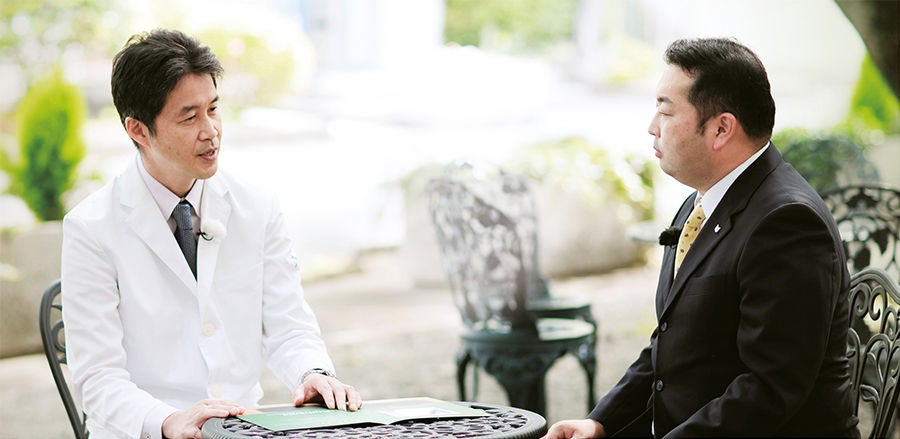
Mr. Yoshiyasu Hayashi (YH): We were also very happy when you decided to participate in this joint research because we felt Hi-Def was a very ambitious function and an exciting new challenge. We're very grateful for your participation. Nara Medical University has been taking the lead in IR under the guidance of a number of key opinion leaders (KOLs) in the field, starting with Dr. Tanaka. The university actively participates in international congresses, and we expect that the results of this research will be presented to a global audience. That's the background when we proposed this joint research.
TT: What was the aim of Hi-Def development?
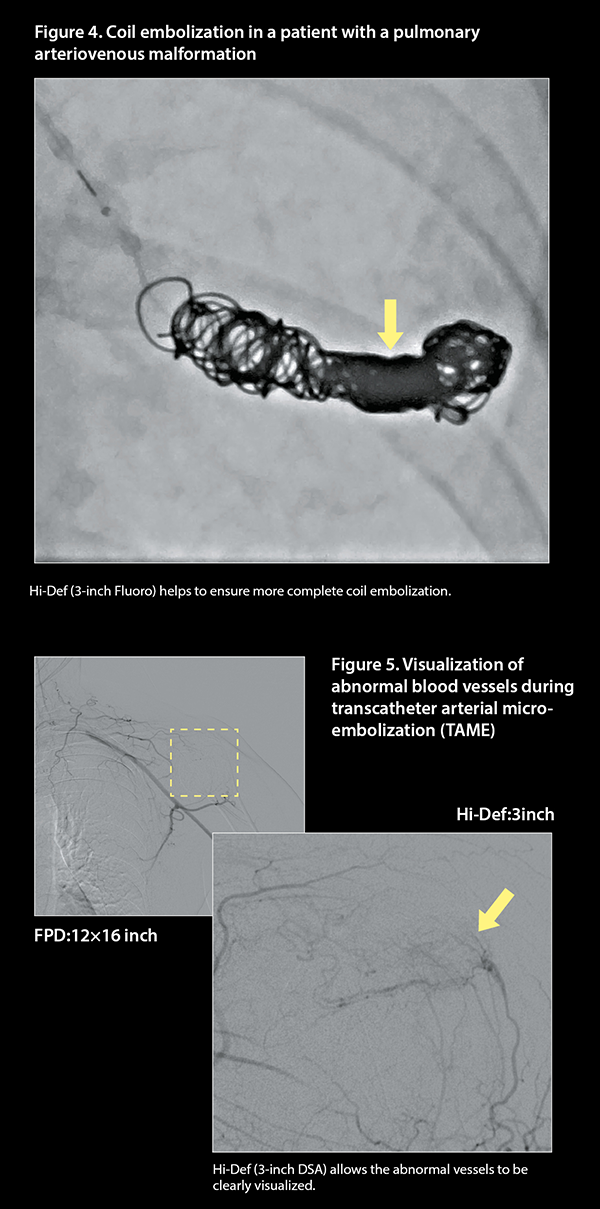
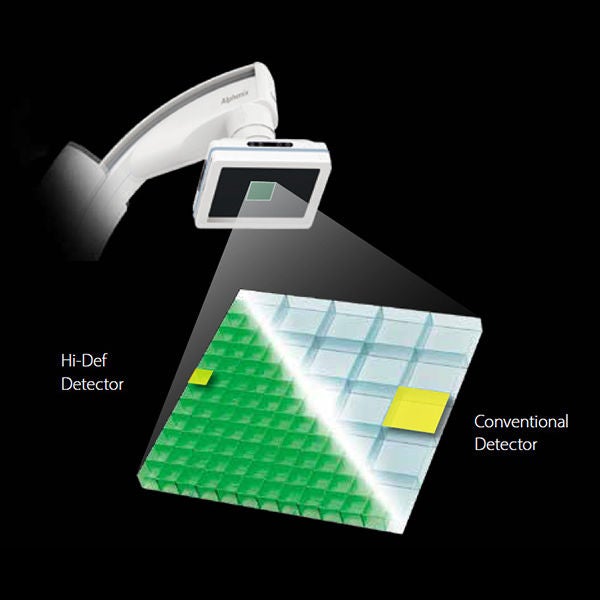
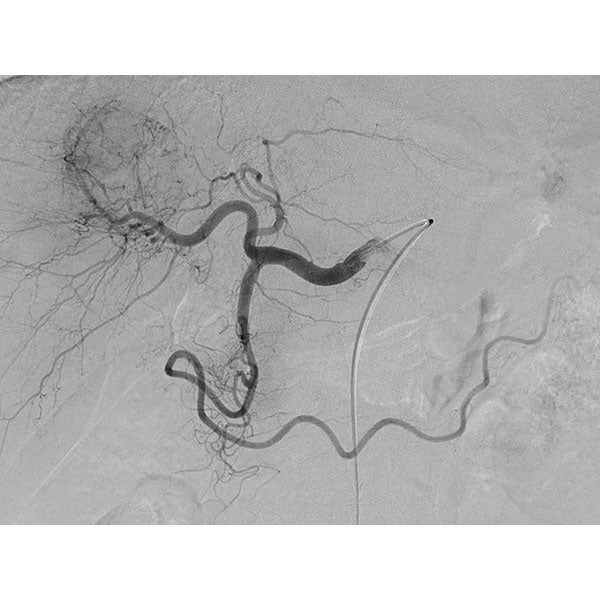
YH: Although some clinical experience had already been gathered for the brain, this was the first attempt to employ Hi-Def in the abdomen. The key advantage of Hi-Def is its extremely small and precise pixel size, which allows the acquired images to be greatly enlarged. To make the best possible use of this advantage, we first needed to develop innovative approaches in all aspects of imaging to fully exploit the performance capabilities of Hi-Def in the abdomen as well.
We developed a dedicated X-ray tube and also optimized image processing techniques to ensure that Hi-Def could perform at its full potential. Our final goal was to ensure that doctors could clearly see the embolic materials, such as coils, as well as minute blood vessels during IR procedures. Various teams in the development department worked closely together to achieve this goal.
Not only the development team but also sales representatives, application specialists, and service engineers were able to receive detailed feedback from doctors, which helped us to improve the quality of Hi-Def when used in the clinical setting. For a full month after system installation, we worked together with the doctors to fine-tune the images and ensure that the system was operating at peak performance.
I'm very pleased and grateful that all the stakeholders were able to work in close collaboration as one team.
TT: Yes, I remember. When I was shown images of cerebral aneurysm coiling in the brain, I expected something like that in the abdomen, and when I actually experienced it in clinical practice, it fully met my expectations. Hi-Def is undoubtedly effective for coil embolization. One of the unique benefits of Hi-Def is that we can identify the location of the microcatheter in coils. That is, even if a lesion appears to be completely filled with coils, Hi-Def allows us to see any gaps in the coils and identify areas where additional coils can be placed. In addition, when I was studying in Germany, I was involved in research focusing on the embolization of liver cancers using microspheres, embolic material consisting of tiny spheres with a diameter of only 40 μm. The depiction of minute objects with Hi-Def is an extension of that research, and I have very high hopes for its future development.
YH: Hi-Def has a pixel size 76 μm, and we took on the challenge of applying it to the abdomen after having gained substantial experience in the brain. However, we couldn't apply it to the abdomen in exactly the same way because the abdomen is thicker than the brain. It was very difficult to fine-tune the system and determine the optimal dose settings and image processing parameters. We were finally able to optimize the parameters and achieve the current high level of performance after installation thanks to the suggestions and guidance we received from Dr. Tanaka and the technologists at the hospital.
TT: Yes, parameter setting was difficult at first. To be honest, when I saw it the first time, I had some doubts. I wondered, "Is this going to be usable?" However, we doctors, our technologists, and the staff of Canon Medical worked together as a tight cross-disciplinary team until our efforts paid off. The improvements were remarkable, and I started to have the feeling, "This will really work!"
YH: In what areas do you think Hi-Def can really demonstrate its full potential?
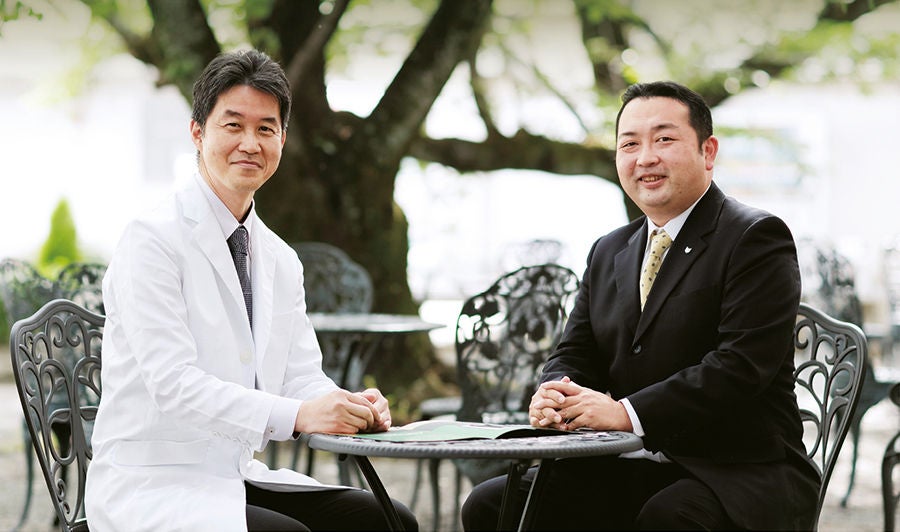
TT: Let me first mention the things I'm really satisfied with. The main thing is the degree of responsiveness. I appreciate your prompt responses and how you carefully consider our requests and try to make improvements. I look forward to working closely with you in the future and developing exciting new technologies. I hope to address not only ease of use in routine clinical practice but also our future visions, including the future evolution of IR, working together with Canon Medical so we can move forward together into a new era.
YH: Thank you very much for taking time from your busy schedule to talk with us today. //
- Some of the comments and information in this article are the personal opinions and impressions of Dr. Tanaka.
- This article was originally published in Alphenix Magazine Vol.3 2022.
Dr. Tanaka's profile
Dr. Toshihiro Tanaka, professor and chair, Department of Diagnostic and Interventional Radiology, Nara Medical University, Nara, Japan
Specializing in minimally invasive IR treatment of malignant tumors (cancer).
Actively involved in joint research and device development with manufacturers.
Appointed chairman of the Japanese Society of Interventional Radiology in 2020.
Biography
1996: Completed clinical training and graduated from Nara Medical University.
1998: Served as resident at Aichi Cancer Center.
2000: Appointed assistant professor, Department of Radiology, Nara Medical University.
2009: Served as visiting research fellow, Institute of Applied Medical Engineering, Aachen University, Germany.
2010: Named CIRSE Fellow, Department of Radiology, Maastricht University, the Netherlands.
2015: Appointed associate professor, Department of Radiology, Nara Medical University.
2022: Appointed professor and chair, Department of Diagnostic and Interventional Radiology, Nara Medical University.
Interviewer: Yoshiyasu Hayashi
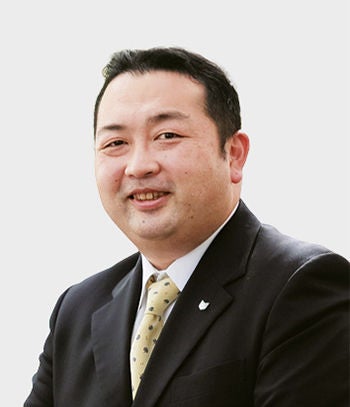
Senior Engineer, Vascular Systems Development Department, Vascular Systems Division.
For more infomation
The content reflects information available at the time of publication and may differ from current information.

Magazine for Interventional X-ray
Read testimonials from users of Canon Medical Systems' vascular systems.
Social Media


