

Expanding Use of Interventional Radiology in Clinical Practice
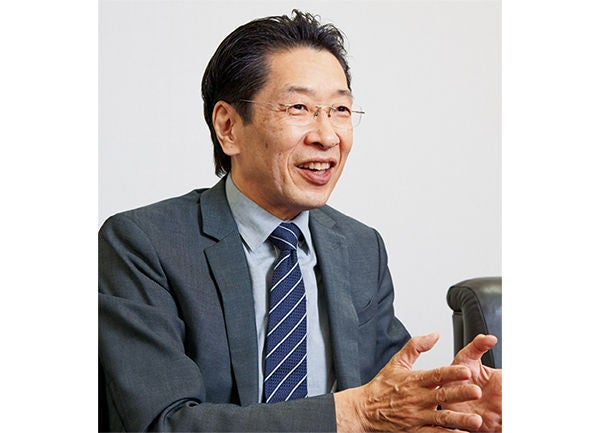
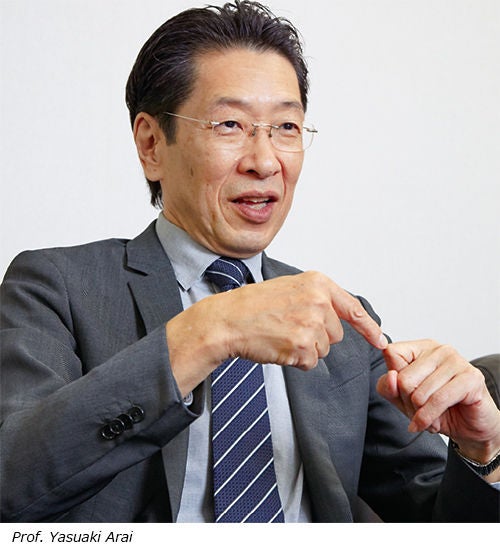
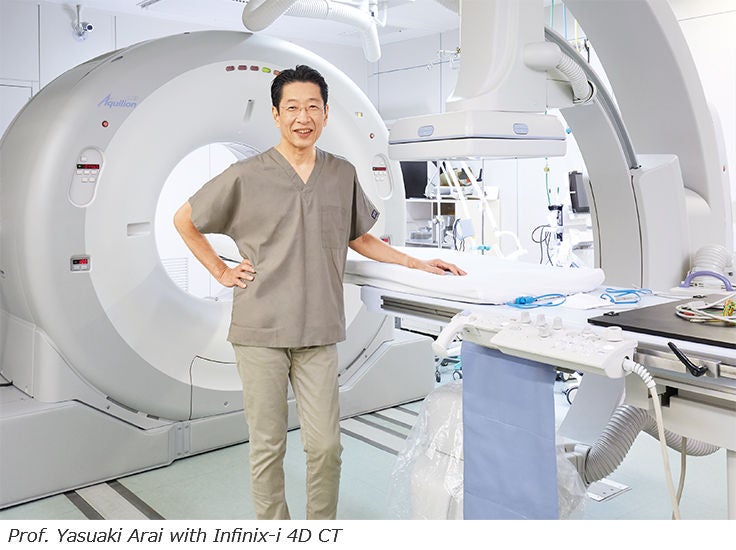
Prof. Yasuaki Arai
Executive Advisor to the President
Interventional Radiology Center
Department of Diagnostic Radiology
National Cancer Center Hospital
The National Cancer Center, which is one of the National Centers for Advanced and Specialized Medical Care, serves as a hub for cancer treatment and research as a member of the National Research and Development Agency of Japan. Its mission is to provide clinical care, conduct research, promote technological development, oversee clinical trials, perform investigations, formulate policy proposals, foster human resources, and issue accurate information concerning cancer and malignant tumors.
In the first five years of my career as a physician, I focused on the field of internal medicine. At that time, the medical treatment for patients with cancer was solely chemotherapy. In many cases, survival rates were not as high as today. I feel fortunate to be skilled in very intricate procedures, therefore I have made extra effort in ways to help patients using catheter-based interventional methods.
A major turning point in my Interventional Radiology career was when I was transitioning to a new hospital, I was unexpectedly assigned to the radiology department, rather than staying in my field, further improving my internal medicine skillset. Around the same time Interventional Radiology (IR) was introduced and evolving in Japan, I had come to the realization what I had been seeking to pursue and achieve was in the field of IR specialty itself. This is how I ended up specializing in IR. I have always sought to challenge myself and achieve new things that have never been done before, or considered impossible in medicine, therefore my strong desire was a new field that offered many new challenges to be faced.
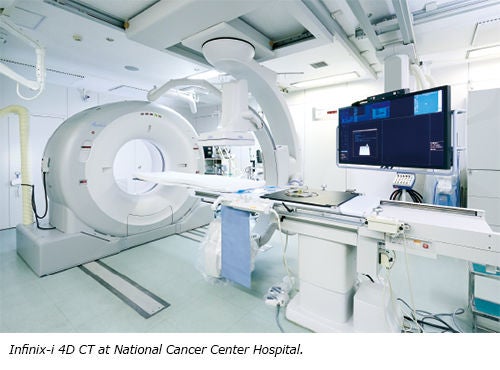
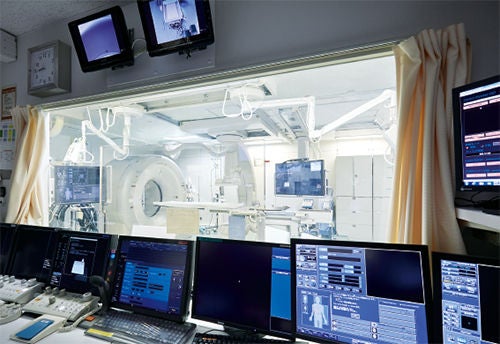
“At that time, angiography systems and CT scanners were installed in separate rooms, but I always wished that I could perform angiography and CT in the same room. I talked with a number of companies, including Toshiba Medical Corporation (present Canon Medical Systems Corporation) to see if they would be able to produce an Angio CT. At that time, only Toshiba Medical took my idea seriously, considering such an unusual request. As a result, the very first Angio CT was introduced in 1992 which was only two years after the start of development.” My initial reaction when I used the Angio CT for the first time was, “It is absolutely amazing!” The entire system truly turned my dream into reality. Prior to the advent of the Angio CT, moving a patient between the angiography and CT rooms would take 30 minutes, in addition to the required assistance of countless hospital staff . On the other hand, with having both angiography and CT installed as one system in the same room, cases can now be performed in only a few minutes without moving patients from one room to another. I was extremely gratified to see that my requested vision, led to such great clinical advantages and benefits.
The content reflects information available at the time of publication and may differ from current information.
Social Media


