

Alphenix / Evolve Edition Angio Suite Achieves Lowest Doses to Enable Complex, Lengthy CTO-PCI
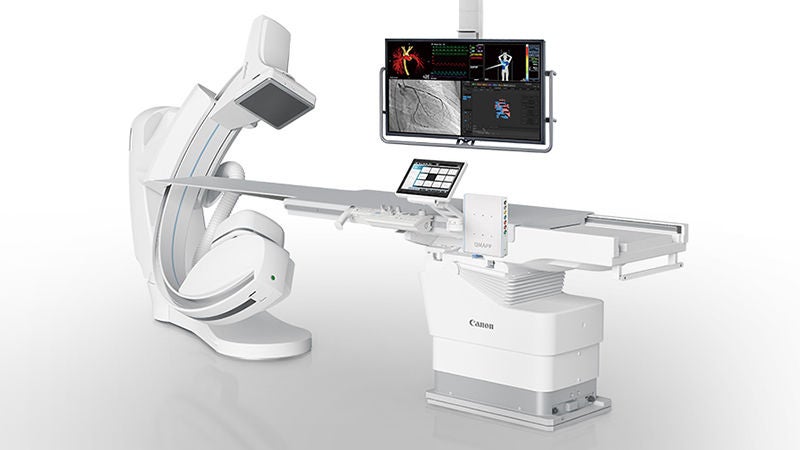
Successful treatment of Chronic Total Occlusion (CTO) is a clinical priority for interventional cardiologists. However, it is well known as difficult and complex procedure. Lately, higher success rates are being achieved thanks to advances in technology, along with consistent exchange of knowledge between clinicians on new innovations and techniques. Canon Medical Systems supports the CTO Club of Japan, which holds expert meetings, including live demonstrations of highly complex cases. Utilizing the advanced technology of the Alphenix / Evolve Edition, an angio system dedicated for interventional cardiology, the CTO Club has recently shown how the low doses achievable with the system enabled a particularly long and complicated case to be solved.
Chronic Total Occlusion (CTO) is a complete, or nearly complete, long-term (three months plus) blockage of one or more coronary arteries. The blockage is caused by a build-up of plaque within a coronary artery that compromises blood flow to the heart. CTOs are linked to some of the most serious cardiological conditions, such as increased risk of heart attacks, heart failure and death.
Continual learning
Specialized expert meetings, like those organized by the CTO Club of Japan, help deepen clinical knowledge, promote detailed understanding of CTO devices, technologies and strategies, enable participants to learn and share techniques, and enhance collaboration in clinical practice and research into CTO, particularly in Percutaneous Coronary Intervention (PCI). The CTO Club of Japan held its 25th Seminar of Angioplasty of Chronic Total Occlusions on June 13-14 in Nagoya, Japan. It included specialized live demonstrations, the latest research findings, case presentations and educational sessions by experts from Japan and abroad.
In addition to bringing new innovative solutions to interventional cardiologists, Canon Medical Systems provides support for academic forums that enhance learning and progression. The CTO Club meeting was cosponsored by Canon Medical Systems, and featured a live demonstration of a highly complex CTO PCI with Canon’s Alphenix / Evolve Edition, carried out by Dr. Yuji Oikawa, Interventional Cardiologist at The Cardiovascular Institute, Japan. Notably, the advanced dose reduction features of the Alphenix / Evolve Edition enabled Dr. Oikawa to successfully complete a difficult seven hours long interventional procedure.

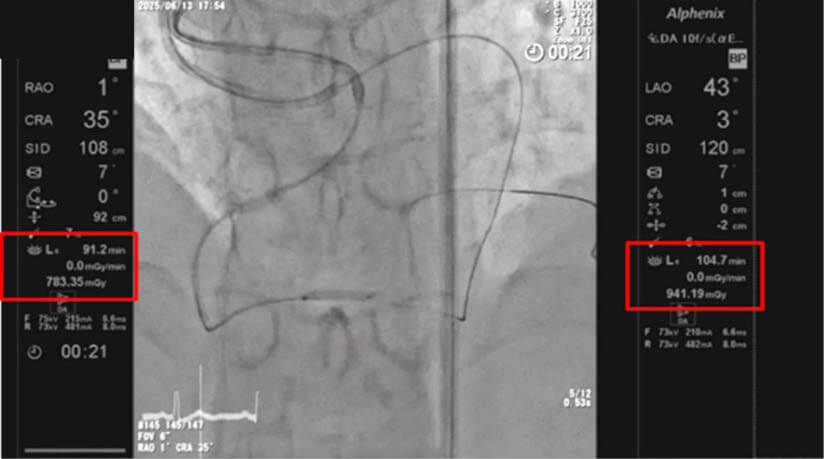
“The procedure lasted about seven hours, and the fluoroscopic time was also very long – a total of 3.6 hours. However, the total dose was only 2.0 Gy, and the treatment was successfully completed.”
Dr. Yuji Oikawa,
Interventional Cardiologist at the Cardiovascular Institute, Japan
Lengthy procedures
CTO procedures often require extensive operational times due to their complexity, and, therefore, dose exposure tends to be higher compared to standard interventions. If the dose that the patient is exposed to becomes too high, it may become necessary to discontinue the procedure.
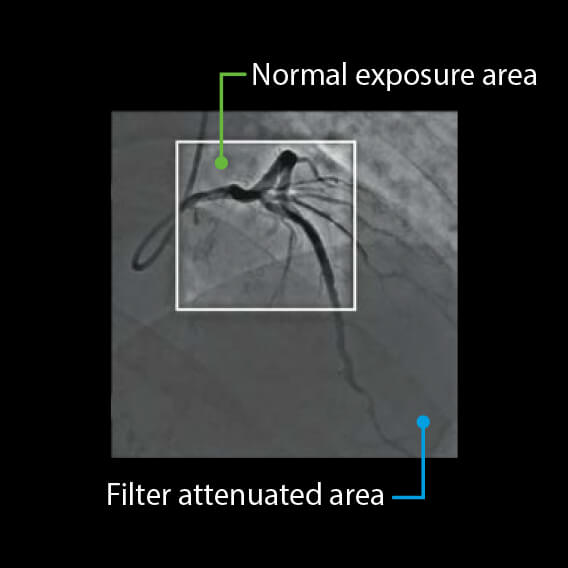
Dr. Oikawa had anticipated that the specific case would be difficult even before the live demonstration began. So, he consulted with application specialists from Canon and changed the system’s setting to low-dose mode. He also decided to use Spot ROI, a useful application for reducing exposure dose frequently during the procedure.
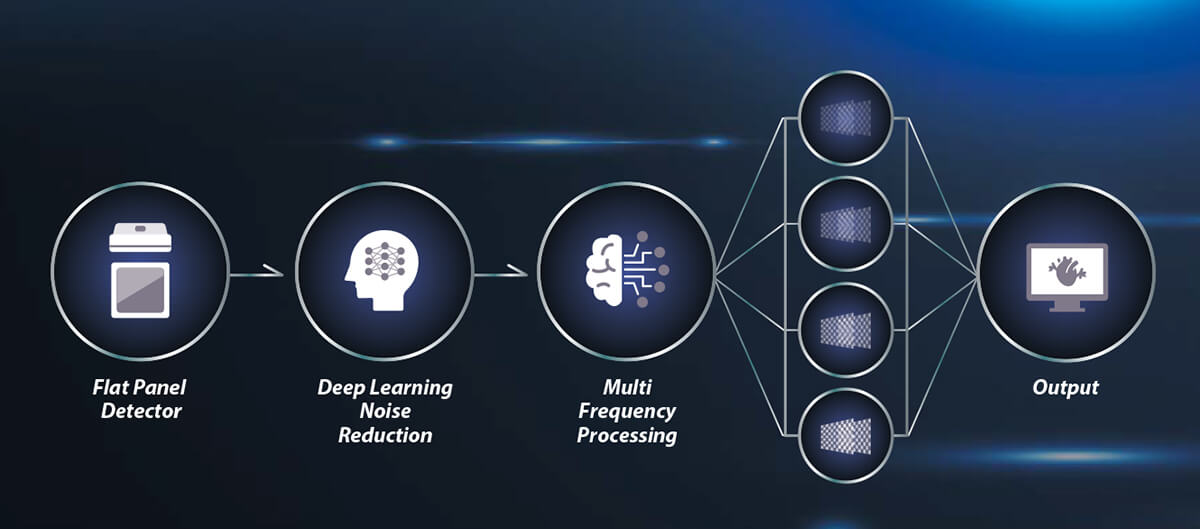
“In this live demonstration, in addition to the dose reduction effect achieved by Alphenix's αEvolve Imaging, a variety of system settings, and Spot ROI, a useful application for PCI, were utilized to reduce the dose. By combining these features, we were able to provide safe, low-dose treatment for the patient,” said Dr. Oikawa. “The procedure lasted about seven hours, and the fluoroscopic time was also very long – a total of 3.6 hours. However, the total dose was only 2.0 Gy, and the treatment was successfully completed.”
"I was discouraged many times, but every time I checked the total dose, I was determined to continue the procedure, and Alphenix supported me in performing it successfully," he added.
“I was discouraged many times, but every time I checked the total dose, I was determined to continue the procedure, and Alphenix supported me in performing it successfully.”
Dr. Yuji Oikawa,
Interventional Cardiologist at the Cardiovascular Institute, Japan
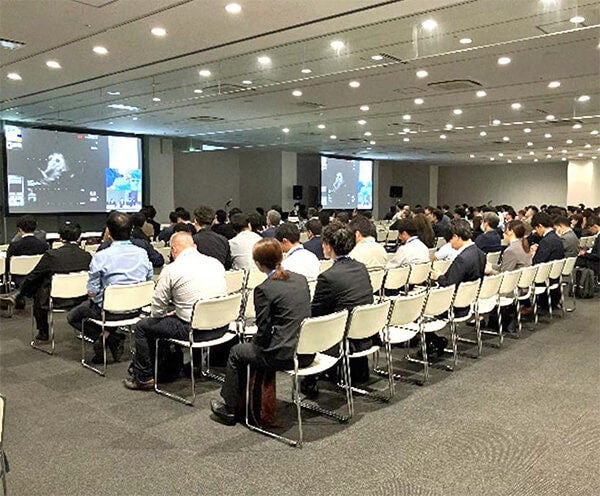 live demonstration at the 25th CTO Club, Japan
When the result of the procedure was shared with the audience of the live demonstration, physicians at the venue made positive comments, including: "It is amazing that such high image quality can be achieved at such a low dose," and "Canon is delivering the best performance in CTO treatments." //

The content reflects information available at the time of publication and may differ from current information.
Social Media


